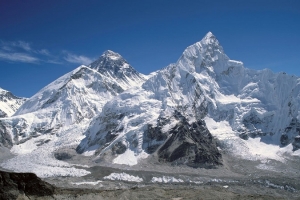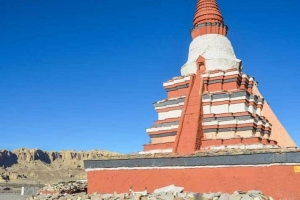
If Northern Xinjiang is nature’s vibrant palette, Southern Xinjiang is a living museum of history. Once the bottleneck of the ancient Silk Road, this region is where Eastern and Western civilizations collided and harmonized. In Southern Xinjiang, you can lose track of time in the century-old teahouses of Kashgar, feel the raw power of the “Father of Ice Mountains” on the Pamir Plateau, or experience the ultimate solitude of the Desert Highway. It is a destination that invites you to rethink history, culture, and humanity.
The Heart of the South — Kashgar
“You haven’t been to Xinjiang until you’ve been to Kashgar.” This city is the soul of Southern Xinjiang.
1. Kashgar Old City: A Living Monument
-
Opening Ceremony: Do not miss the daily ceremony at 10:30 AM. The traditional music and dance will instantly transport you into an exotic world.
-
The Labyrinth of Alleys: Wander through the narrow lanes to find exquisite Uyghur residences, pottery workshops, and hand-woven carpet stores.
-
The Centennial Teahouse: Order a pot of medicinal tea, pair it with fresh Nang bread, and sit among local elders to experience the slowest, most authentic pace of life in the South.
2. Id Kah Mosque & Afaq Khoja Mausoleum
-
Admire the magnificent Islamic architectural art and learn the deep historical and cultural stories behind these landmarks.
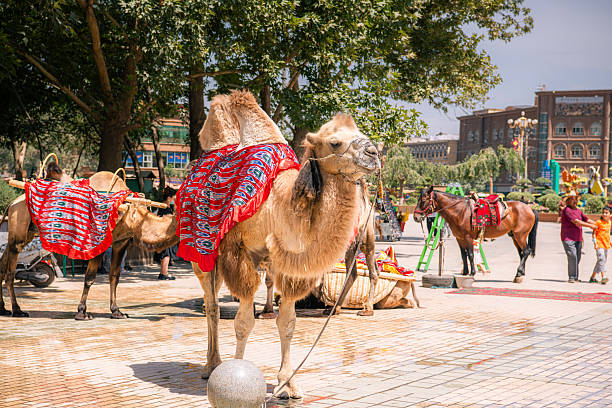
The Pamir Plateau — Sacred Land Above the Clouds
Heading west from Kashgar along the Karakoram Highway (KKH), you enter a highland region that resonates with the soul.
1. White Sands Lake (Baisha Lake)
-
With water so blue it’s nearly transparent against silver sand dunes, this is a sanctuary for photographers and nature lovers alike.
2. Karakul Lake & Muztagh Ata
-
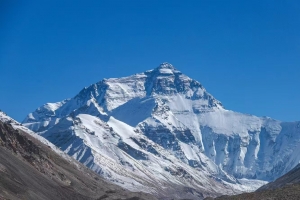
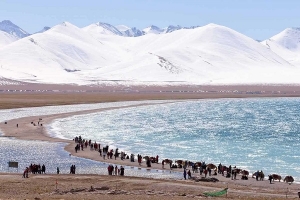
See the “Father of Ice Mountains,” Muztagh Ata, reflected in the mirror-like waters of the lake. Here, you feel the primal and pure power of Mother Nature.
3. Tashkurgan (Taxkorgan)
-
The only Tajik Autonomous County in China. The Tajik people, known as the “People of the Clouds,” are legendary for their hospitality and unique folk culture.
-
Stone City & Golden Grassland: View the ancient ruins at sunset to experience a profound sense of history and serenity.
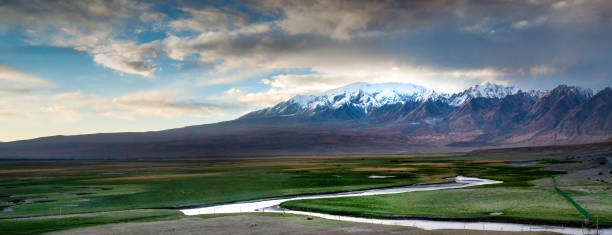
Deserts and Oases — Survival and Vitality
1. Taklamakan Desert
-
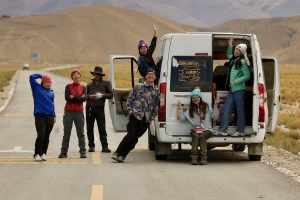
The world’s second-largest shifting sand desert. We recommend experiencing the Desert Highway to witness the vast, breathtaking desolation that has challenged explorers for centuries.
2. Hotan (Khotan): The Home of Jade and Carpets
-
Visit the Hotan Bazaar to feel the most vibrant market atmosphere in the region and search for the legendary Hotan Jade.
Essential Travel Knowledge & Expert Advice
1. Permits and Documentation (Crucial!)
-
Border Permits: Traveling to the Pamir Plateau (Tashkurgan) requires a Border Pass. Domestic travelers can apply in Kashgar, while international travelers must report their itinerary in advance, as certain areas have specific access restrictions.
2. Climate and Altitude Sickness
-
Southern Xinjiang is extremely dry; hydration and skincare are essential.
-
The Pamir Plateau averages 3,000 to 4,000+ meters in altitude. We suggest carrying portable oxygen and avoiding strenuous exercise or hot showers on your first day at high altitude.
3. Respecting Local Customs
-
Southern Xinjiang has a rich ethnic and religious atmosphere. When entering mosques or local homes, always follow your guide’s advice and respect religious beliefs and traditions (e.g., avoid bringing or discussing non-halal food in Halal establishments).
Best Time to Visit
-
Spring (April–May): When the apricot blossoms on the Pamir Plateau are in full bloom—the best time for cultural and portrait photography.
-
Autumn (September–October): The climate is pleasant, the fruits are ripe, and the landscapes turn a magnificent golden hue.
Southern Xinjiang is not a place for “checking boxes”; it requires you to be present and feel the rhythm of the land. Whether it is a weathered smile in the Old City or a snow peak standing firm against a storm, Southern Xinjiang will leave an indelible mark on your heart.