If Xinjiang’s landscapes are designed to shock the soul, its cuisine is crafted to conquer it. This vast land does more than nurture majestic snow mountains and grasslands; it blends diverse ethnic cultures to create a bold, fragrant, and unique Silk Road culinary system. For every traveler visiting Xinjiang, this is not just a visual feast, but a full-scale carnival for the taste buds. Are you ready? Let’s embark on a journey through the “Flavor of the West.”
A Paradise for Meat Lovers
In Xinjiang, meat is the undisputed protagonist of the table. Thanks to the unique natural environment, Xinjiang lamb is exceptionally tender, lean, and free of the gamey scent found elsewhere.
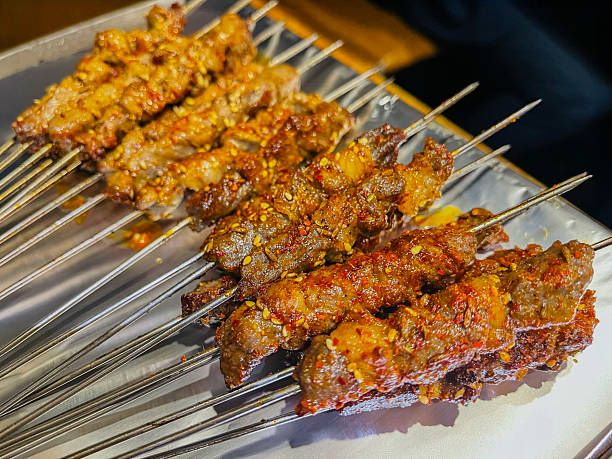
1. Xinjiang Kebabs (Chuan’er): Art Over the Flames
This is the “calling card” of Xinjiang. Authentic kebabs feature large chunks of meat, perfectly balanced with lean and fat sections.
-
Red Willow Kebabs: Using branches from the Red Willow tree as skewers, the sap infuses the meat with a unique, woody aroma during grilling.
-
Nang-Pit Meat: Slow-roasted inside a traditional clay oven (Nang pit), resulting in a crispy exterior and incredibly juicy interior.
-
Pro Tip: When ordering, tell the chef “Duo Fang La Zi, Shao Fang Yan” (More chili, less salt) for the most local experience.
2. Dapanji (Big Plate Chicken): A Fusion of Spice and Warmth
A world-famous Xinjiang classic. Vibrant in color and rich in flavor, it features tender chicken and soft, waxy potatoes simmered in a spicy sauce.
-
The Golden Rule: When the chicken is nearly finished, you must add “Belt Noodles” (Pidaimian) to the leftover sauce. The wide, chewy noodles soaking up the spicy gravy is the true highlight of the meal.
3. Hand-Seized Lamb (Shouzhua Yangrou): Purest Flavor
This dish features high-quality lamb boiled simply with a touch of salt and onions to preserve its natural sweetness.
-
The Experience: Best enjoyed with your hands, this dish showcases the premium quality of local livestock. It’s primal, hearty, and incredibly satisfying.
The Magic of Carbs — Flour Power
Xinjiang’s staple foods are just as impressive—diverse, filling, and deeply rooted in tradition.
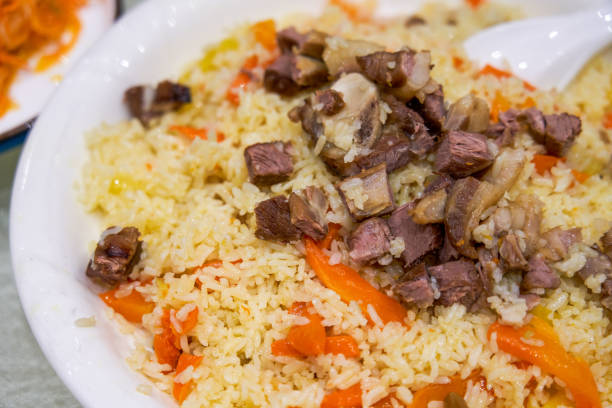
1. Polu (Lamb Pilaf): The Fragrant Rice Feast
Polu is the premier dish for festivals and welcoming guests. It consists of rice cooked with lamb, carrots, onions, and often raisins or dried apricots.
-
The Profile: The rice absorbs the richness of the lamb fat and the sweetness of the carrots, becoming translucent and fragrant. It is usually served with a side of “Pilanhong” (a refreshing salad of onions, peppers, and tomatoes) to balance the richness.
2. Laghman (Stretched Noodles): The Soul of the Silk Road
Known locally as “Banmian,” these are 100% hand-pulled noodles with a perfect “al dente” texture.
-
How to Eat: A stir-fried topping of lamb and vegetables is poured over the noodles.
-
Traveler’s Note: Most local eateries allow for a free “refill” of noodles (Jiamian). Don’t be shy if you have a large appetite!
3. Nang: The Versatile Desert Bread
Nang is the soul of Xinjiang’s diet, coming in dozens of shapes and sizes.
-
Characteristics: It has a long shelf life and is incredibly portable. Freshly baked Nang is crispy and fragrant—perfect when paired with kebabs, milk tea, or even watermelon during a road trip.
The Land of Fruits — A Sweet Burden
With long daylight hours and dramatic temperature swings between day and night, Xinjiang produces some of the world’s sweetest fruits.
-
Turpan Grapes: Countless varieties including “Seedless White” and “Mare Nipple” grapes with incredible sugar content.
-
Hami Melons: Crispy, juicy, and legendary for their honey-like sweetness.
-
Korla Fragrant Pears: Thin-skinned, succulent, and aromatic.
-
Aksu Apples: Famous for their “Sugar Heart” (crystallized sugar core), making them exceptionally sweet and crunchy.
-
Health Warning: While tempting, do not drink hot tea immediately after eating fruit, as it may lead to sudden digestive discomfort.
Unique Drinks and Snacks
Beyond the main courses, these local treats are must-tries:
-
Milk Tea: Xinjiang milk tea is typically salty, brewed with brick tea, fresh milk, and a pinch of salt. It’s the perfect companion for a greasy meal.
-
Yogurt (Suannai): Authentic Xinjiang yogurt is very tart and usually served with a generous topping of sugar or nuts. It is thick, creamy, and highly nutritious.
-
Baked Buns (Samsa): Thin pastry filled with diced lamb and onions, baked until the crust is golden and the inside is bursting with juice.
Cultural Respect & Health Guide
1. Respecting Halal (Qingzhen) Culture
Xinjiang is home to many ethnic groups, the majority of whom follow Islam.
-
Taboos: Strictly avoid bringing in or discussing pork or alcohol (unless specifically allowed) in Halal restaurants.
-
Etiquette: Avoid loud or boisterous behavior while dining in local community eateries.
2. Avoiding “Traveler’s Tummy”
The climate is dry, and the food can be oily and spicy.
-
Strategy: Always carry basic digestive medicine. Avoid overindulging in large amounts of meat and fruit simultaneously during your first few days. Drink plenty of water (at least 2000ml/day) to stay hydrated.
Travel with Your Appetite
Xinjiang’s cuisine is bold and hearty, yet filled with the delicate nuances of Silk Road history. It isn’t just a list of dishes; it’s an experience of the Western Regions’ way of life. China Dragon Travel warmly invites you to bring your curiosity and your appetite to this magical land. Here, you won’t just see the world’s most beautiful scenery; you will taste the most authentic and legendary feasts of the Orient.
Professional Planning: Because many authentic delicacies (such as the legendary Whole Roasted Lamb) require advance booking or are only found in specific regions, we recommend contacting our travel experts to customize your “Gourmet Map” itinerary.