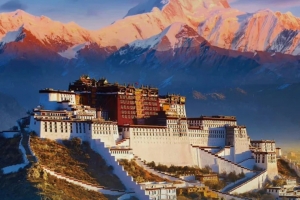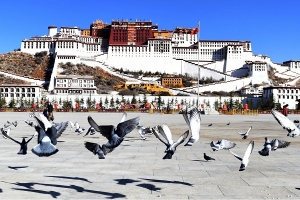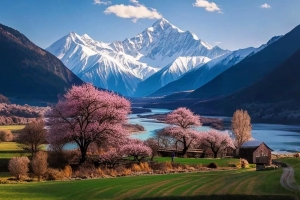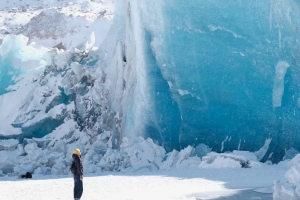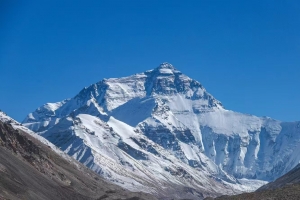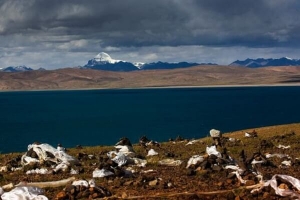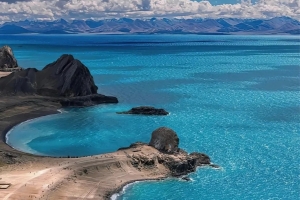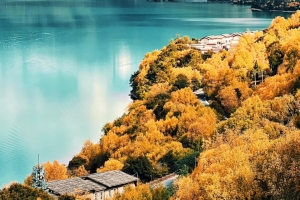
Perched upon the Roof of the World, Tibet has forged an isolated, pristine sanctuary defined by an average altitude of over 4,000 meters. This snow-capped alpine wilderness, baked under intense ultraviolet light and blanketed by thin air, has given rise to more than just breathtaking landscapes and devout spiritual traditions; it has cultivated a collection of world-renowned, resilient local specialties. The treasures of Tibet are far more than mere commercial travel souvenirs. They represent the survival wisdom of the Tibetan people battling a ruthless natural environment, acting as the physical crystallization of centuries of Tibetan medical lore and nomadic civilization. When a traveler steps onto this sacred land and handles or tastes these regional specialties, they connect deeply with Tibet’s unique philosophy of living in harmony with nature.
When mentioning the most legendary biological wonder of the plateau, Naqu Cordyceps Sinensis (Caterpillar Fungus) stands undisputed at the pinnacle. The Naqu region, known as the Changtang Grassland, sits at a staggering average altitude of over 4,500 meters, where the alpine meadows are completely untouched by modern pollution. It is precisely this brutal, oxygen-deprived climate that yields cordyceps of unmatched potency. Their uniqueness lies in the fascinating biological fusion of “caterpillar” and “fungus.” Cordyceps harvested from Naqu are recognizable by their bright golden-yellow hue, plump bodies, and distinct reddish-brown eyes, packing a significantly higher concentration of active physiological components than those found in lower-altitude regions. Revered in traditional Tibetan and Chinese medicine as a master herb that balances both Yin and Yang, each precious stalk is painstakingly found by local herders crawling face-down on the frozen spring turf between May and June—a true testament to the raw essence of the earth and human endurance.
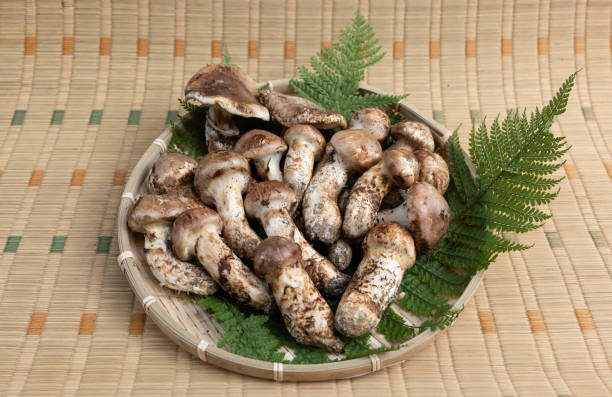
In sharp contrast to the cold, windswept plains of Naqu, the Nyingchi region—affectionately dubbed the “Switzerland of Tibet”—utilizes its abundant rainfall and dense, ancient forests to nurture a different kind of mountain treasure: the Nyingchi Matsutake Mushroom. Every summer, as the warm monsoon rains arrive, these rare wild fungi quietly break through the soil of pristine pine and oak forests at altitudes above 3,000 meters. Nyingchi Matsutake owes its global renown to the region’s completely unpolluted ecosystem and dramatic high-altitude temperature shifts, which slow down the mushroom’s growth cycle and create an incredibly dense, meaty interior. Completely impossible to cultivate artificially, these mushrooms possess a unique, powerful aroma that blends elements of damp earth, fresh pine needles, and a subtle sweetness. Whether sliced fresh as a raw delicacy or pan-seared in rich yak butter, their plump, tender, and elastic texture offers food connoisseurs the ultimate culinary gift from the forest.
Meanwhile, in the historic and spiritual heart of the holy city of Lhasa, the air is permanently infused with a soothing, grounding fragrance: the celebrated cultural heritage known as Lhasa Tibetan Incense. The history of this aromatic craft dates back to the 7th century, credited to Thonmi Sambhota, a prominent minister to the Tibetan King Songtsen Gampo. The brilliance of traditional Tibetan incense lies in its strictly guarded, all-natural recipes and painstaking hand-rolling processes. Using a base of finely ground Himalayan cypress wood paste, artisans blend dozens of precious natural Tibetan herbs, including saffron, sandalwood, borneol, and musk, allowing the mixture to ferment naturally without a single drop of chemical fragrance. In Tibet, incense is far more than a religious tool for temples; it is an essential part of daily life, valued for its medical benefits of purifying the air, repelling insects, relieving stress, and aiding deep sleep—acting as a fragrant bridge between the material and spiritual worlds.
Many travelers mistakenly assume that Tibetan Saffron (Flos Croci) is a plant native to the high-altitude fields of Lhasa, yet its history is actually a fascinating Silk Road legend. Saffron originated in Persia (modern-day Iran) and the Mediterranean coast, traveling through India before crossing the high mountain passes into Tibet, where it was eventually traded into inland China—hence earning the domestic name “Tibetan Saffron.” Despite its foreign origins, the cold, low-moisture environment of the Tibetan plateau proved to be the absolute perfect setting for storing and processing this precious spice. Saffron’s unmatched value stems from its incredibly low yield; each purple flower produces only three delicate crimson stigmas, which must be harvested entirely by hand in the early morning before the sun gets too hot and carefully dried over gentle heat. Renowned globally for its potent ability to improve blood circulation, regulate vital energy, and nourish overall vitality, just a few threads will turn water a brilliant, crystalline golden-yellow—making it a cornerstone of Tibetan wellness culture.
Beyond medicinal herbs and forest treasures, Tibet’s textile arts beautifully display the handwoven aesthetics of nomadic life, with the Gyantse Tibetan Carpet from Shigatse serving as the ultimate representation. Ranked as one of the world’s three classic styles of handmade rugs, Gyantse carpets boast a history spanning over nine hundred years. Their exceptional quality begins with the raw material: 100% premium, high-altitude sheep wool known for its remarkable durability and natural elasticity. Using traditional vertical loom knotting techniques, local weavers craft these carpets entirely by hand, utilizing natural dyes extracted from native minerals and plants like wild rhubarb and madder. This traditional process ensures that the carpets retain their deep, rich coloration for a century without fading, while maintaining a thick, resilient texture. The geometric patterns and traditional Buddhist symbols of protection, wealth, and longevity woven into the fabric vividly record the artistic soul and ancient totems of the snow land.
For travelers looking to bring a piece of the plateau home, here is a bit of professional advice from a seasoned travel specialist. When purchasing high-value items like Naqu Cordyceps or premium saffron, always visit established, officially certified Tibetan medical dispensaries in major centers like Lhasa or Shigatse. Avoid buying these from unregulated roadside stalls along scenic routes to prevent purchasing counterfeit, weighed-down, or chemically dyed products. If you are shopping for authentic handicrafts, Lhasa’s historic Barkhor Street remains the premier hub for handmade incense, local silverwork, and turquoise. When selecting traditional incense, a great quality test is to observe the ash—it should burn down to a fine, clean white, and the aroma should remain soothingly gentle even after prolonged exposure. Thanks to Tibet’s modernized logistics network, heavy purchases like large Gyantse rugs or temperature-sensitive fresh Nyingchi Matsutake can be shipped directly back to your home via reliable domestic air-courier services, allowing you to continue your high-altitude journey unburdened.
Every specialty of Tibet is a testament to the sheer resilience of life blooming under extreme conditions, infused with the warmth of generations of artisan hands. They carry with them the crisp winds of the Nyenchen Tanglha Mountains, the glacial rush of the Yarlung Tsangpo River, and the drifting smoke of the Jokhang Temple. Long after your journey ends and you return to the hustle of modern city life, lighting a single stick of Lhasa incense or brewing a golden cup of saffron tea on a quiet evening will instantly release that familiar, sacred Himalayan air. These precious treasures are more than mere souvenirs; they are the ultimate way to permanently weave the blue skies, white clouds, and divine memories of Tibet into the fabric of your daily life.