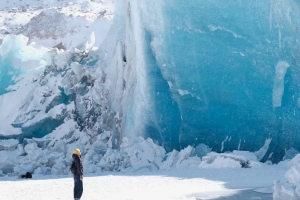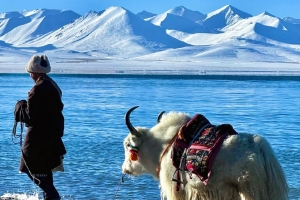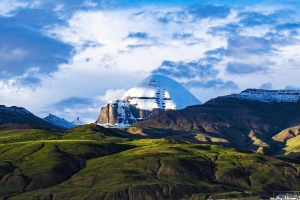
Xinjiang, located in the far northwest of China, is one of the country’s most diverse and visually stunning travel destinations. From snow-covered mountains and vast deserts to alpine lakes and endless grasslands, the region offers dramatically different landscapes throughout the year. Because of its size and varied climate, there is no single “best time” to visit Xinjiang. Instead, each season reveals a completely different side of the region. This guide will help you understand what to expect in spring, summer, autumn, and winter so you can plan your trip at the perfect time.
Understanding Xinjiang’s Climate and Geography
Xinjiang is China’s largest province-level region, and its geography is incredibly complex. It includes the Altay Mountains in the north, the Tianshan Mountains across the center, and the vast Taklamakan Desert in the south.
Because of this, the climate varies significantly:
-
Northern Xinjiang (Altay, Ili): cooler, greener, best for landscapes
-
Southern Xinjiang (Kashgar, Hotan): drier, warmer, rich in culture
-
Eastern Xinjiang (Turpan): extremely hot in summer
This diversity means that travel experiences differ greatly depending on both season and location.
Spring in Xinjiang: Blossoms and Fewer Crowds
Spring in Xinjiang typically lasts from April to early June. While it is not the most popular season, it offers unique scenery and a quieter travel experience.
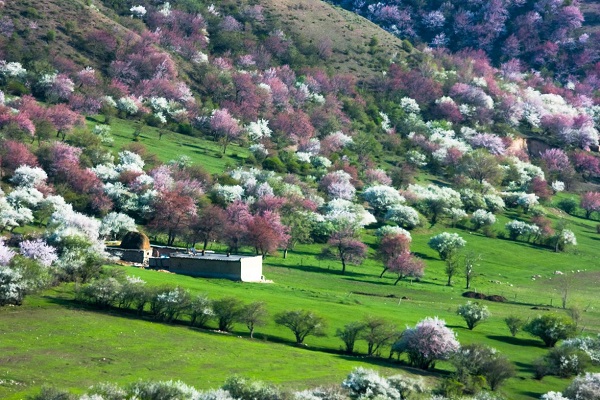
One of the highlights is the apricot blossoms in Ili and southern Xinjiang, especially around Turpan and Kashgar. Valleys and villages are covered in soft pink and white flowers, creating a peaceful and romantic atmosphere.
Temperatures are still cool, especially in northern Xinjiang, and some high-altitude areas may not yet be fully accessible. However, the advantage is fewer tourists and lower travel costs.
Spring is ideal for travelers who prefer:
-
fewer crowds
-
cultural exploration
-
flower landscapes
Summer in Xinjiang: Grasslands, Lakes, and Perfect Weather
Summer, from June to August, is one of the best times to visit Xinjiang, especially for first-time travelers.
Northern Xinjiang is at its most vibrant during this time. Places like:
-
Ili Grasslands
-
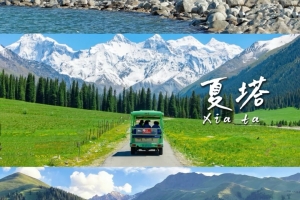
Nalati Grassland
-
Sayram Lake
-
Kanas Lake
are covered in lush greenery, with wildflowers blooming across the landscape. The weather is generally mild and comfortable, making it perfect for outdoor activities.
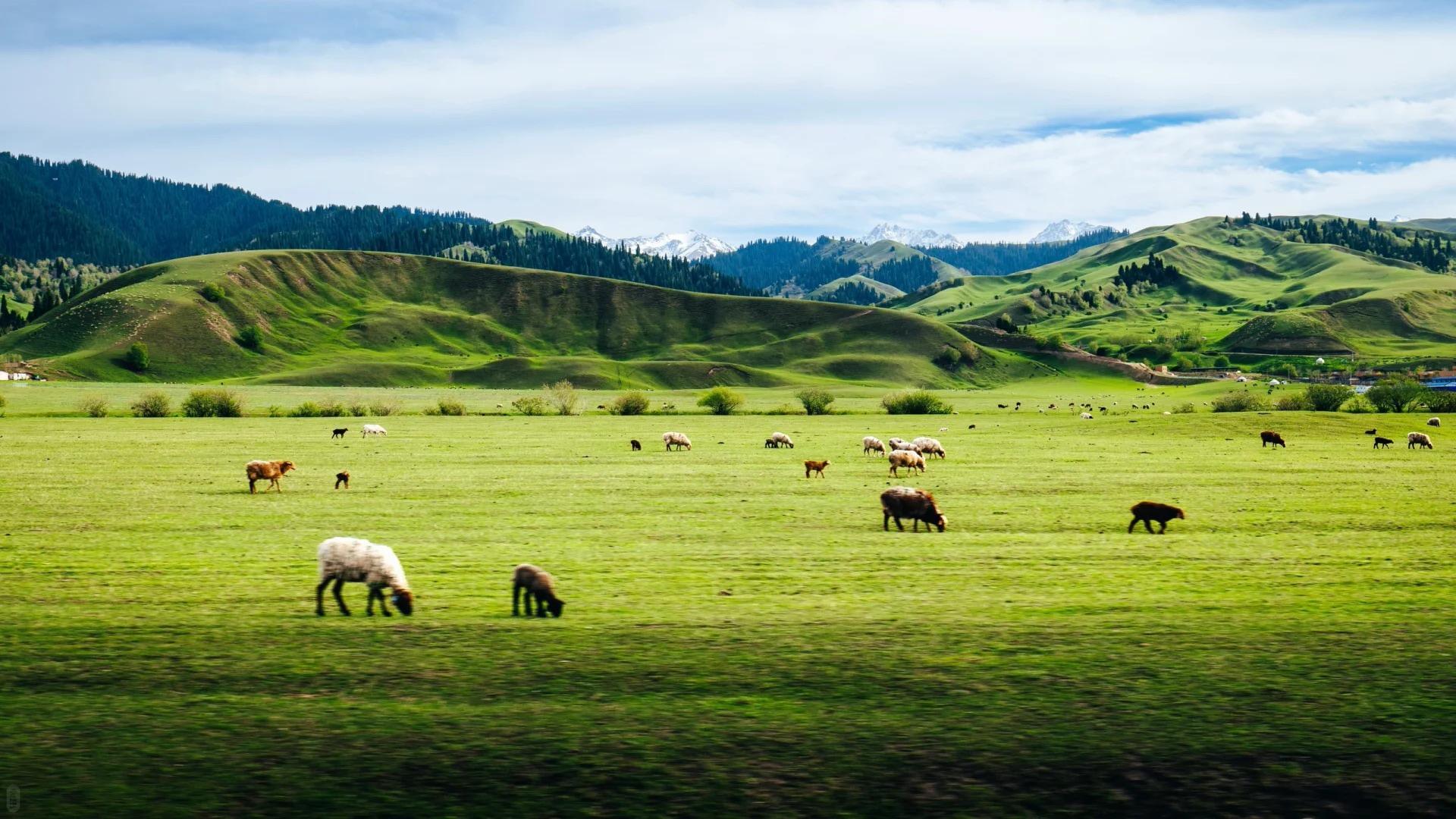
Nalati Grassland
In contrast, southern and eastern Xinjiang can become extremely hot. Cities like Turpan are known as some of the hottest places in China, with temperatures exceeding 40°C (104°F).
Summer is best for:
-
grasslands and lakes
-
hiking and outdoor travel
-
scenic road trips
Autumn in Xinjiang: The Most Beautiful Season
Autumn, from September to early October, is widely considered the best time to visit Xinjiang.
During this period, the landscapes transform dramatically. The birch forests in northern Xinjiang turn golden, especially in:
-
Kanas
-
Hemu Village
-
Baihaba Village
The combination of golden trees, blue lakes, and snow-dusted mountains creates some of the most iconic scenery in China.
The weather is cool and pleasant, making travel comfortable. However, this is also peak season, meaning higher prices and more tourists.
Autumn is perfect for:
-
photography
-
classic Xinjiang landscapes
-
first-time visitors
Winter in Xinjiang: Snow, Silence, and Unique Experiences
Winter in Xinjiang lasts from November to March and offers a completely different experience.
Northern Xinjiang becomes a snow-covered wonderland. Places like Hemu and Kanas are transformed into magical winter villages, with wooden houses, frozen rivers, and thick snow creating a fairytale atmosphere.
Winter is also ideal for:
-
skiing
-
snow photography
-
experiencing local winter culture
However, travel can be more challenging due to cold temperatures and limited transportation options.
Winter is best suited for:
-
adventurous travelers
-
photographers
-
those seeking unique, off-season experiences
Best Time by Travel Interests
Different travelers may prefer different seasons depending on their interests.
- For natural scenery and first-time visits, autumn is the best choice.
- For outdoor activities and comfortable weather, summer works best.
- For quiet travel and cultural exploration, spring is ideal.
- For snow landscapes and unique experiences, winter stands out.
Can You Visit Xinjiang Year-Round?
Yes, Xinjiang is a year-round destination, but the experience changes dramatically with the seasons.
The key is to match your expectations with the right time of year. For example, visiting grasslands in winter or expecting snow in summer may lead to disappointment.
Planning based on seasonal highlights will help you get the most out of your trip.
Travel Tips for Choosing the Right Season
When planning your trip, consider the following:
- Weather varies greatly by region, so pack accordingly.
- Peak seasons such as autumn require early booking for flights and accommodation.
- Transportation in remote areas may be limited during winter.
- Some destinations, especially in northern Xinjiang, are best visited in specific seasons.
Planning Your Xinjiang Journey
Xinjiang is vast, and traveling between destinations can take significant time. Choosing the right season is only the first step—planning routes and logistics is equally important.
For travelers who want a smoother experience, working with a professional agency can help optimize routes and avoid common challenges. China Dragon Travel offers customized Xinjiang itineraries that align with seasonal highlights, ensuring you experience the region at its best.
Choosing the Right Season for Your Xinjiang Adventure
There is no single best time to visit Xinjiang, only the best time for your travel style.
Each season reveals a different side of this vast region—from blooming valleys in spring to golden forests in autumn, and from vibrant grasslands in summer to silent snowfields in winter.
Understanding what each season offers will allow you to plan a journey that matches your expectations and creates unforgettable memories.