Introduction: Why Xinjiang is Every Traveler’s Ultimate Dream
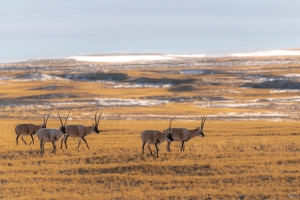
Covering one-sixth of China’s landmass, Xinjiang is a land of breathtaking contrasts. It boasts snow-capped mountains rivaling the Swiss Alps, grasslands as lush as those in Europe, and exotic old cities that evoke the mystery of Morocco. For first-time visitors, Xinjiang is more than just a province—it is a world waiting to be discovered. However, due to its vast geography and diverse ethnic cultures, travelers often face challenges such as dry climates, long distances, and cultural nuances. This guide is designed to help you navigate your first “Great Xinjiang” adventure with ease.
Chapter 1: Geography & Route Planning — Nature in the North, Culture in the South
Before booking your tickets, it is essential to understand the distinction between “Northern Xinjiang” and “Southern Xinjiang,” divided by the majestic Tianshan Mountains.
1. Northern Xinjiang (A Feast for the Eyes)
Northern Xinjiang is famous for its natural wonders. Highlights include the mystical Kanas Lake, the fairytale Hemu Village, the “Last Tear of the Atlantic” Sayram Lake, and the vast Narat Grassland. If you love photography, alpine forests, and turquoise lakes, start here.
-
Suggested Duration: 8–12 days.
-
Best Time to Visit: June (wildflowers), September (golden autumn), or December (winter wonderland).
2. Southern Xinjiang (The Soul of History)
Southern Xinjiang is the heart of Silk Road history and ethnic traditions. Explore the Kashgar Old City, the Pamir Plateau, and the Taklamakan Desert. If you want to experience authentic Uyghur culture and the atmosphere of ancient Western Regions, Southern Xinjiang is unparalleled.
-
Suggested Duration: 10–15 days.
-
Best Time to Visit: August to October (the peak season for local fruits and mild weather).
Chapter 2: Climate and the Art of Dressing
Xinjiang has a typical continental arid climate. A local saying describes it best: “Wear a fur coat in the morning, silk at noon, and eat watermelon by a stove at night.”
1. Extreme Temperature Fluctuations
Even in the heat of July, temperatures in grasslands or mountain areas can drop below 10°C (50°F) at night.
-
Tip: Use the “onion layering” method. Wear a breathable base layer, a warm mid-layer (like fleece), and a windproof/waterproof outer shell (like a hardshell jacket).
2. Intense Dryness
For travelers accustomed to humid climates, the dryness of Xinjiang can be a shock.
-
Gear Advice: Carry heavy-duty moisturizer, lip balm, and nasal spray. Drink at least 2000ml of water daily to prevent nosebleeds or cracked skin.
3. Strong UV Radiation
Due to high altitudes and long daylight hours, the sun is very strong.
-
Essentials: SPF 50+ sunscreen, polarized sunglasses, a wide-brimmed hat, and UV-protection clothing.
Chapter 3: Transportation — Xinjiang is Bigger Than You Think
Distances between attractions are often measured in hundreds of kilometers. Expect to spend 4 to 6 hours (or more) on the road daily.
1. Rental vs. Chartered Cars
-
Self-Driving: While offering freedom, long-distance driving is exhausting. Mountain roads (like the Duku Highway) require advanced driving skills.
-
Chartered Car with Driver: This is the most recommended option. Professional local drivers know the terrain, the best rest stops, and local stories, allowing you to relax and enjoy the view.
2. Speed Limits and Road Checks
Road conditions are generally excellent, but speed limits are strictly enforced by cameras. Additionally, mountain passes can close unexpectedly due to snow or rain, so always check the latest weather reports.
Chapter 4: Respect and Etiquette — Local Customs
Xinjiang is a multi-ethnic region. Respecting religious beliefs and lifestyle habits is key to a smooth trip.
1. Dietary Taboos
When dining at Halal (Qingzhen) restaurants, strictly avoid bringing in or discussing pork. It is also common practice to avoid smoking or drinking alcohol in these establishments unless explicitly permitted.
2. Social Etiquette
-
Greetings: Be warm and polite. A simple smile goes a long way.
-
Photography: Always ask for permission before taking photos of locals, especially women and children. It is a fundamental mark of respect.
3. Shopping in the Bazaar
Bargaining is expected in local markets (Bazaars). However, if you have successfully negotiated a price, it is considered very rude to then refuse the purchase.
Chapter 5: Dining Guide — A Carnival for the Senses
Xinjiang cuisine is a highlight of the journey.
-
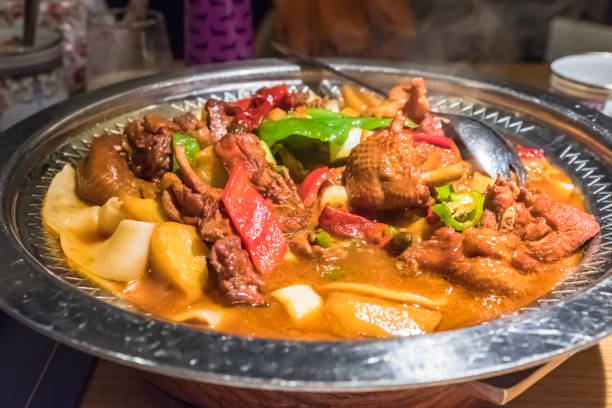
Dapanji (Big Plate Chicken): Spicy chicken and potatoes served with hand-pulled “belt noodles.”
-
Mutton Skewers: Grilled over charcoal, seasoned with cumin and chili.
-
Polu (Pilaf): Fragrant rice cooked with mutton, carrots, and raisins.
-
Naan: The staple flatbread of Xinjiang—perfect for long road trips as it stays fresh.
-
Local Fruits: Indulge in Turpan grapes, Hami melons, and Korla pears. Warning: Avoid drinking hot tea immediately after eating fruit to prevent digestive upset.
Chapter 6: Health and Safety
1. Altitude Sickness
If visiting the Pamir Plateau (above 3,000 meters), you may experience mild altitude sickness.
-
Strategy: Avoid bathing on the first night at high altitude, move slowly, and stay hydrated. Portable oxygen canisters are available if needed.
2. Security Checks
Enhanced security is a standard part of traveling in Xinjiang.
-
Advice: Always carry your passport. Cooperate with checks at scenic spots and highway checkpoints. Factor in extra time for these procedures.
3. First-Aid Kit
Carry medication for colds, motion sickness, and upset stomachs (due to the rich/spicy food), as well as painkillers and band-aids.
Xinjiang is not a place you simply “check off” a list; it is a place you feel. You might find the long drives tiring, but when you see the reflection in Heavenly Lake, the morning mist over Hemu, or the sunset hitting the golden bricks of Kashgar, you will realize every mile was worth it.
We hope this guide helps you plan your dream trip. Welcome to the “Great Beauty of Xinjiang”!