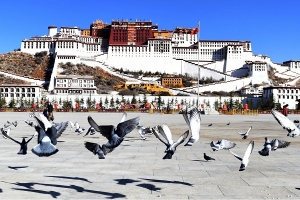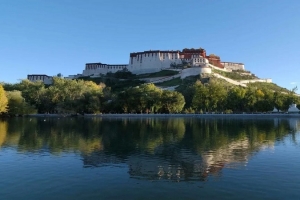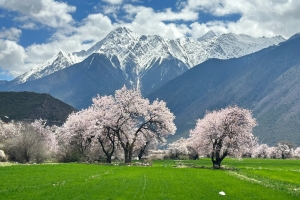
Tibet is often imagined as vast, remote, and untouched—but in reality, certain places can get surprisingly crowded, especially during peak travel seasons. Popular sites like the Potala Palace, Jokhang Temple, and Everest Base Camp attract large numbers of visitors, particularly in summer and major Chinese holidays.
The good news is that avoiding crowds in Tibet is absolutely possible with the right timing, route design, and on-the-ground strategy. This guide focuses on practical, field-tested methods to help you experience a quieter, more authentic side of Tibet—without sacrificing the highlights.
Understand When Tibet Gets Crowded
Before planning how to avoid crowds, it’s important to know when and why they happen.
The busiest periods in Tibet typically include:
- May to October: Peak travel season due to stable weather and open mountain routes
- Chinese public holidays: Especially Labor Day (early May) and National Day (first week of October)
- Summer vacation (July–August): High volume of domestic travelers
During these times, queues at major attractions can be long, and popular viewpoints may feel congested.
By contrast, April, late October, and winter (November–March) see far fewer visitors. While some remote routes may be affected by weather, core destinations like Lhasa remain accessible.
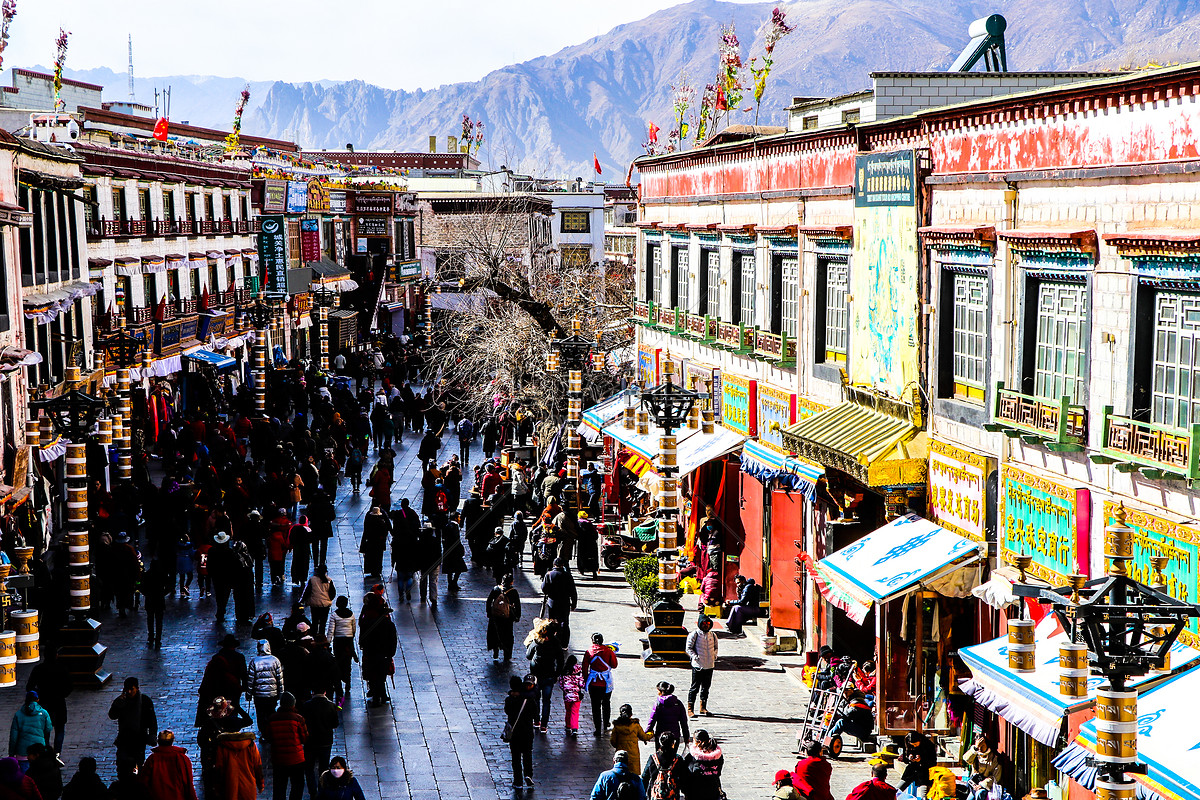
Modern Lhasa
Visit Popular Attractions at Off-Peak Hours
Even in peak season, timing within the day makes a significant difference.
The Potala Palace, for example, operates on scheduled entry times. Most tour groups visit between 9:30 AM and 2:00 PM, which creates bottlenecks.
To avoid this:
- Choose the earliest available entry slot in the morning
- Or opt for a late afternoon visit, when group traffic decreases
Similarly, Jokhang Temple and Barkhor Street are busiest mid-morning and early evening. Visiting at sunrise or after dinner hours offers a calmer experience, along with better lighting for photography.
Choose Alternative Destinations Near Famous Sites
One of the most effective strategies is not to skip famous places—but to balance them with less-visited alternatives.
For example:
- Instead of only visiting Namtso Lake, consider Serling Tso, which is larger, more remote, and rarely crowded
- Near Lhasa, swap part of your itinerary for Drak Yerpa Monastery, a cliffside complex with fewer tourists
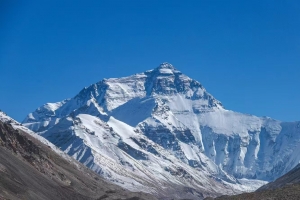
- In the Everest region, spend more time in Tingri or surrounding villages, rather than only focusing on the EBC viewpoint
These alternatives often provide equally impressive landscapes, with a much quieter atmosphere.
Travel in Shoulder Season for the Best Balance
If your schedule allows, aim for the shoulder seasons—particularly:
- April to early May
- Mid-October to early November
During these periods, you’ll find:
- Fewer tour groups
- Lower accommodation prices
- More flexibility in itinerary planning
Weather is generally stable, especially in central Tibet. While nights may be colder, daytime conditions are still suitable for travel.
Avoid Large Group Tours
Group size directly affects your experience.
Large bus tours often follow fixed schedules, arriving at attractions during peak hours. This not only increases crowd exposure but also limits flexibility.
A better approach is:
- Traveling independently with a private guide and driver
- Or joining a small-group tour (4–8 people)
This allows you to adjust departure times, stay longer at quieter spots, and avoid synchronized crowd movements.
Stay Overnight at Key Locations
Many tourists visit major sites as day trips, which creates predictable peaks.
For example:
- Yamdrok Lake is crowded midday but quiet in the early morning and evening
- Everest Base Camp becomes less crowded after sunset, when day visitors leave
By staying overnight, you gain access to off-peak hours that most visitors miss. Sunrise and sunset also offer the best lighting conditions.
Explore Eastern Tibet (Nyingchi Region)
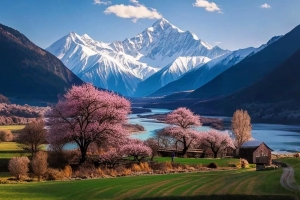
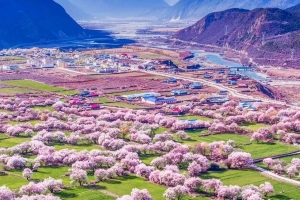
If your goal is to avoid crowds while still seeing spectacular scenery, Nyingchi is one of the best choices.
Compared to Lhasa and Everest routes, Nyingchi offers:
- Lush forests and river valleys
- Lower altitude (easier acclimatization)
- Significantly fewer tourists
Areas like Lulang Forest, Basum Tso Lake, and Bomi provide high-quality landscapes without the density of visitors found in more famous locations.
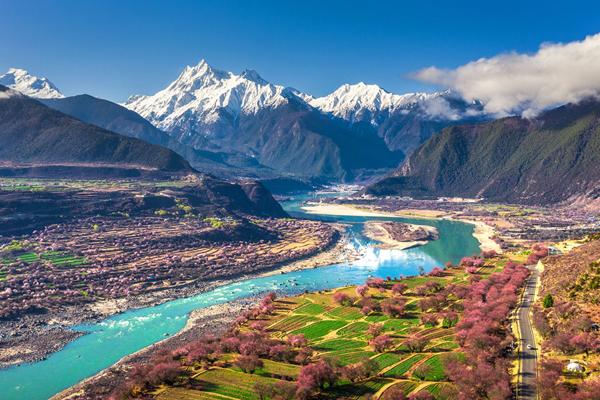
Nyingchi
Plan Buffer Time in Your Itinerary
Rigid schedules often force you into peak hours.
Adding buffer time allows you to:
- Shift visits earlier or later in the day
- Wait out crowded periods
- Spend more time in quieter areas if needed
In Tibet, where distances are long and conditions can change, flexibility is a strategic advantage.
Work with a Local Tibet Travel Agency
Because foreign travelers must arrange permits and transportation in advance, working with a local agency is often necessary. The key is choosing one that understands crowd management, not just logistics.
An experienced operator can:
- Secure better time slots for major attractions
- Recommend alternative routes based on real-time conditions
- Adjust itineraries to avoid peak congestion
China Dragon Travel specializes in customized Tibet tours that prioritize experience quality, including crowd avoidance strategies, optimized timing, and flexible routing.
Is It Possible to Experience a Quiet Tibet?
Yes—but not by accident.
Tibet’s popularity is growing, and certain hotspots will always attract visitors. However, with smart planning, flexible timing, and the right route design, it’s entirely possible to experience the region in a more शांत, immersive way.
Instead of rushing through crowded landmarks, you can enjoy empty valleys, quiet monasteries, and uninterrupted mountain views—which is, after all, what most travelers come to Tibet for.