If you’re planning a summer trip to Xinjiang, one of the most common concerns is simple: how hot does it actually feel?
The short answer is—yes, it can be hot, but not everywhere, and not all the time.
Xinjiang is huge and geographically diverse, which means summer temperatures vary dramatically depending on where you go. Understanding the real feel (not just numbers) is key to planning a comfortable trip.
Why Xinjiang’s Summer Weather Feels So Different
Unlike many regions with uniform climates, Xinjiang has a mix of deserts, basins, grasslands, and mountains. This creates strong regional contrasts.
Desert and basin areas heat up quickly: Places like Turpan and parts of southern Xinjiang can become extremely hot due to low elevation and dry air.
Northern grasslands stay relatively mild: Areas like Ili, Nalati, and Kanas are much cooler, especially compared to inland Chinese cities.
Large day-night temperature differences: Even in summer, evenings can cool down significantly, particularly in higher-altitude regions.
Because of this, your actual experience depends more on your route than the season itself.
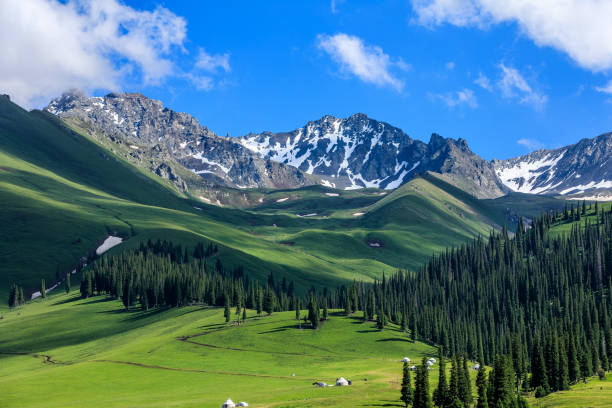
Green forest and mountain natural landscape in summer
How Hot Is Southern Xinjiang in Summer?
Southern Xinjiang (Kashgar, Turpan, Kuqa) is where the heat is most intense.
- Daytime temperatures often reach 35°C to 45°C (95°F–113°F)
- Turpan is one of the hottest places in China, sometimes exceeding 45°C
- Dry climate means less humidity, but strong sun exposure
Real feel:
It’s a dry heat, so it’s more tolerable than humid climates, but direct sunlight can feel harsh and exhausting. Outdoor sightseeing during midday can be uncomfortable.
Best strategy:
Plan activities early morning or late afternoon, and avoid long exposure at noon.
What About Northern Xinjiang?
Northern Xinjiang (Kanas, Ili, Sayram Lake) offers a completely different experience.
- Daytime temperatures usually range between 20°C and 30°C (68°F–86°F)
- Evenings can drop to around 10°C–15°C
- Frequent breezes and higher elevation make it feel cooler
Real feel:
Comfortable and refreshing, especially in grassland and lake regions. Many travelers describe it as “cool summer weather.”
This is why northern Xinjiang is the most popular summer destination.
Is It Uncomfortable to Travel in Summer?
Not necessarily—it depends on how you plan your route.
Comfortable scenarios:
Traveling in northern Xinjiang, staying near lakes or grasslands, and avoiding extreme desert regions during peak heat hours.
Challenging scenarios:
Long outdoor visits in Turpan or desert areas during midday, or tight itineraries with no rest time.
In general, summer is still considered one of the best seasons to visit Xinjiang, especially for scenery.
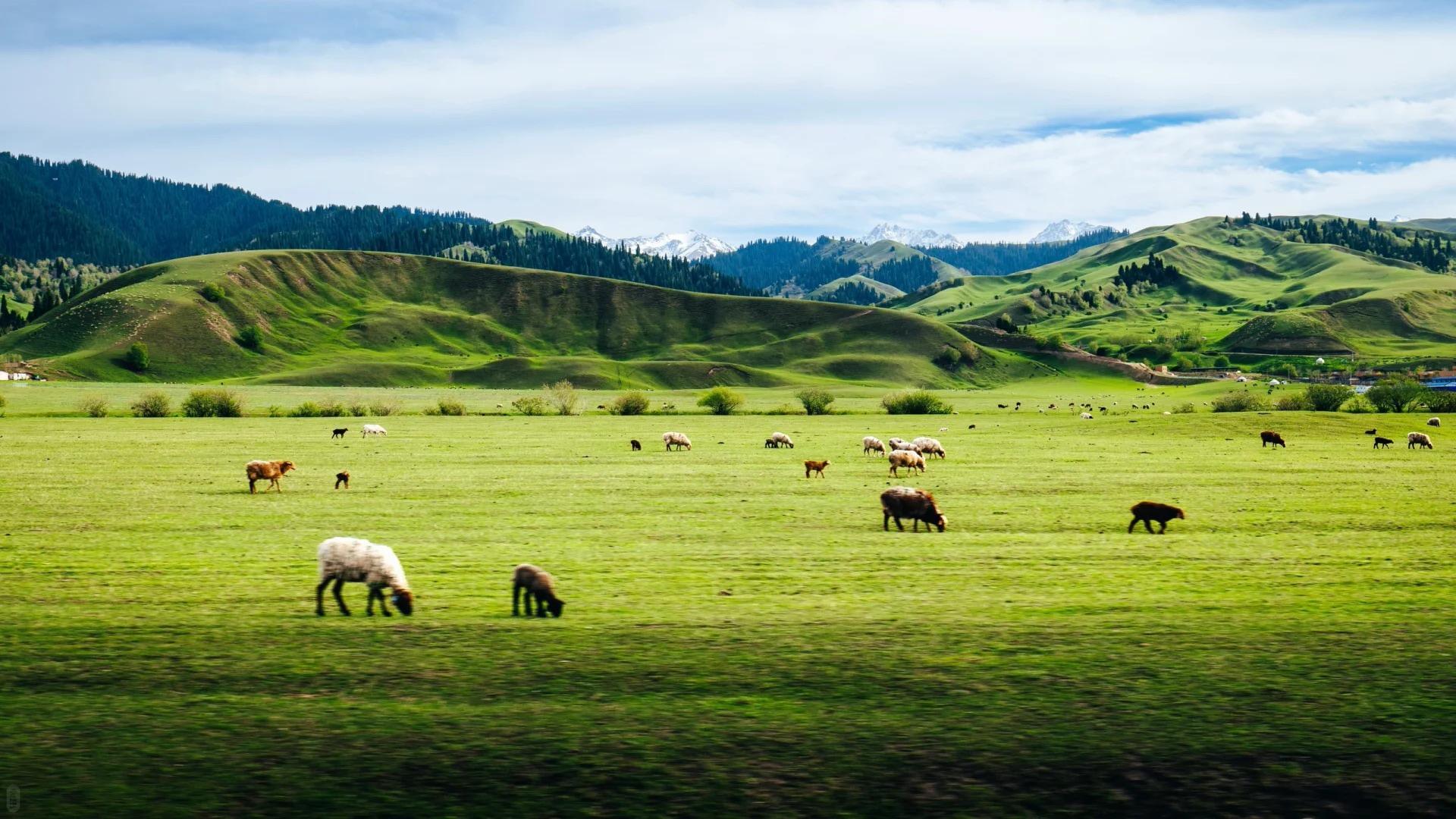
Nalati Grassland
What Does It Actually Feel Like Day to Day?
A typical summer day in Xinjiang might feel like this:
Morning: Cool and pleasant, ideal for sightseeing
Midday: Hot in low-altitude areas, but manageable in the north
Afternoon: Warm with strong sunlight
Evening: Noticeably cooler, sometimes even requiring a light jacket
This daily temperature swing is one of the defining features of Xinjiang’s climate.
What Should You Pack for June–August?
Packing smart can significantly improve comfort.
- Light, breathable clothing for daytime
- A light jacket or hoodie for evenings
- Strong sun protection (hat, sunglasses, sunscreen)
- Lip balm and moisturizer (due to dry air)
- Comfortable walking shoes
Even in summer, layering is important due to temperature variation.
When Is the Best Time Within Summer?
Not all summer months feel the same:
June: Slightly cooler, fewer crowds, very comfortable overall
July: Warmest month, best for grasslands and lakes
August: Similar to July, with stable weather and peak scenery
If you want a balance between weather and crowds, late June to early July is often ideal.
Is Xinjiang Too Hot in Summer?
Xinjiang in summer is not universally hot—it’s region-dependent. Southern areas can be extremely hot, but northern regions remain pleasantly cool and are perfect for travel.
If you plan your route wisely—focusing on northern Xinjiang or adjusting your schedule in hotter areas—you can have a very comfortable and rewarding trip.
Ultimately, summer is when Xinjiang is at its most vibrant, with green landscapes, clear skies, and rich cultural experiences. The key is not avoiding the heat, but understanding where it is—and where it isn’t.