Xinjiang is one of the most visually diverse regions in China, known for its vast deserts, alpine lakes, grasslands, and strong ethnic culture. But unlike many destinations, the experience you get in Xinjiang depends heavily on the season you choose.
Summer and autumn are widely considered the two best times to visit. However, they offer very different landscapes, travel conditions, and overall atmospheres. If you are deciding between the two, this guide breaks down the key differences to help you choose the right season for your trip.
What Xinjiang Is Like in Summer
From June to August, Xinjiang enters its most vibrant and energetic period. This is when nature is fully alive, especially in northern Xinjiang.
The grasslands are lush and green, particularly in areas like Nalati and Bayanbulak, where rolling hills stretch endlessly under blue skies. Lakes such as Kanas and Sayram Lake appear bright and clear, reflecting the surrounding mountains in vivid colors. Wildflowers bloom across valleys, adding layers of color to already dramatic landscapes.
Summer is also the best time to experience Kazakh nomadic culture. Many herders move to highland pastures during this season, and visitors have more opportunities to see yurts, livestock, and traditional lifestyles up close.
However, summer is also peak travel season. Popular destinations can be crowded, and prices for flights and accommodation are typically higher. In southern Xinjiang, cities like Turpan can become extremely hot, with temperatures often exceeding 40°C (104°F).
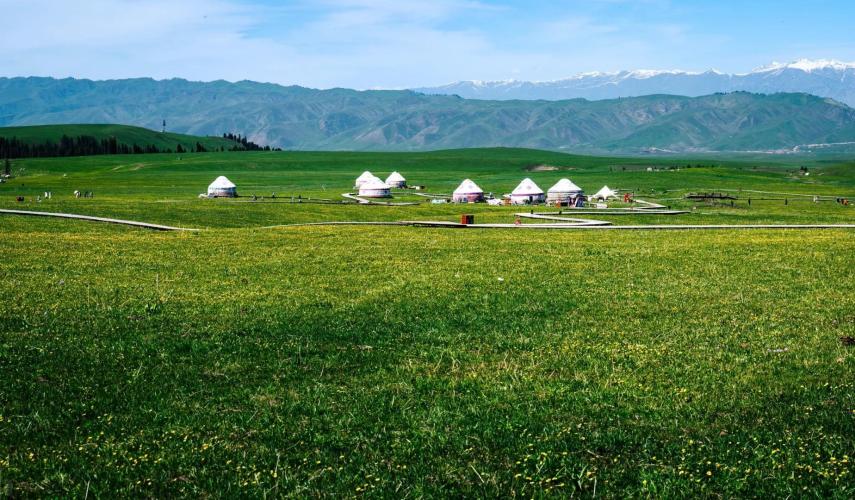
Nalati grasslands
What Xinjiang Is Like in Autumn
From September to October, Xinjiang transforms into a completely different landscape. The intense greens of summer fade into warm tones of gold, orange, and red, especially in forested areas.
Kanas is particularly famous during autumn, when golden birch trees surround deep blue lakes, creating one of the most iconic views in China. Hemu Village also becomes a highlight, with morning mist, wooden houses, and colorful forests forming a quiet, almost cinematic scene.
Compared to summer, autumn feels calmer and more reflective. The number of tourists decreases slightly after early October, and the overall pace of travel becomes more relaxed.
The weather is generally cool and comfortable, making it ideal for photography and long-distance travel. However, the season is shorter, and by late October, temperatures can drop significantly, especially in northern regions.
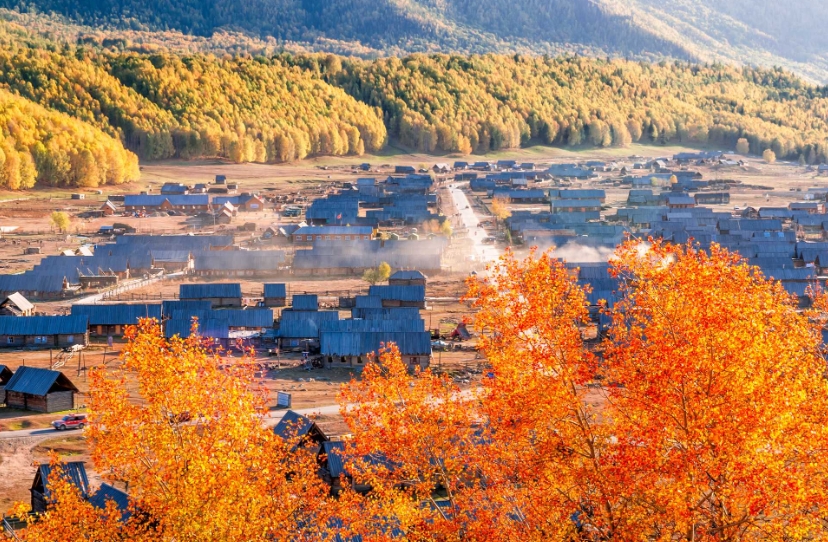
Hemu Village
Key Differences Between Summer and Autumn
While both seasons are excellent, your choice depends on what kind of experience you are looking for.
- Landscape: Summer offers green grasslands and blooming flowers, while autumn brings dramatic golden forests and stronger visual contrast.
- Weather: Summer is warmer and sometimes hot, especially in southern Xinjiang; autumn is cooler and more comfortable overall.
- Crowds: Summer is busier due to school holidays, while autumn (after early October) tends to be quieter.
- Photography: Autumn is often preferred for its colors and lighting, while summer is better for capturing vibrant, lively scenes.
- Cultural experience: Summer provides more opportunities to see nomadic life in action, especially in grassland regions.
Which Season Should You Choose?
If your priority is experiencing wide open grasslands, outdoor activities, and local culture at its most active, summer is the better option. The landscapes feel alive, and the range of accessible destinations is at its highest.
If you are more interested in scenery, photography, and a quieter atmosphere, autumn is often considered the superior choice. The colors are richer, the light is softer, and the overall experience feels more immersive.
For many travelers, early autumn—especially from mid-September to early October—offers the best balance. You can still catch relatively mild weather while enjoying the beginning of fall colors.
Practical Travel Tips for Both Seasons
Planning ahead is essential when traveling in Xinjiang due to its size and distances.
- Book transportation and accommodation early if traveling in summer or during China’s National Day holiday in early October.
- Prepare for temperature differences: even in summer, nights in northern Xinjiang can be cool, while autumn mornings can be quite cold.
- Plan your route carefully, as distances between destinations are long and travel times can be significant.
- Pack sun protection for summer and layered clothing for autumn.
Making the Right Choice for Your Xinjiang Trip
There is no single “best” time to visit Xinjiang—only the best time based on your travel goals. Summer showcases the region at its most energetic and culturally active, while autumn highlights its visual beauty and tranquility.
If possible, aligning your itinerary with late September allows you to experience a transition between the two seasons, capturing both the lingering greenery and the first signs of autumn color.
Ultimately, whether you choose summer or autumn, Xinjiang offers a scale and diversity that few destinations can match. The key is to match the season with the kind of journey you want to have.