
Yunnan is often introduced to travelers through one iconic dish—Crossing-the-Bridge Rice Noodles. But once you arrive, it quickly becomes clear that this province offers far more than a single culinary highlight. With its dramatic landscapes, mild climate, and a rich mix of ethnic cultures, Yunnan has developed one of the most diverse and exciting food scenes in China.
If you’re planning a trip or simply want to understand what makes Yunnan cuisine special, this guide breaks it down into key regions, signature dishes, and practical food tips—so you can explore it with purpose rather than guesswork.
Why Yunnan Cuisine Stands Out
Unlike other Chinese regional cuisines that follow a strong, unified flavor profile, Yunnan food is more layered and ingredient-driven. Its uniqueness comes from a few defining elements:
-
Exceptional biodiversity: Wild mushrooms, edible flowers, mountain herbs, and seasonal vegetables are central to local cooking.
-
Balanced flavors: Expect a mix of sour, mildly spicy, and aromatic notes rather than heavy oil or intense heat.
-
Ethnic diversity: Dai, Bai, Naxi, and Tibetan influences create distinct sub-cuisines across different areas.
This combination means that food in Yunnan changes significantly as you move from one city to another, making it ideal for travelers who want variety in a single trip.
Must-Try Dishes in Kunming (More Than Just Rice Noodles)
As the capital of Yunnan, Kunming is the best place to start your culinary journey. While rice noodles are everywhere, several other dishes deserve equal attention:
-
Steam Pot Chicken (汽锅鸡): A slow-steamed soup made without added water, known for its clean and concentrated flavor.
-
Wild Mushroom Hot Pot: Available mainly from June to October, featuring premium fungi like boletus and matsutake.
-
Grilled Er Kuai (烧饵块): A popular street breakfast made from sticky rice cakes filled with savory or spicy ingredients.
-
Small Pot Rice Noodles (小锅米线): A richer, more local version of the classic noodle dish, cooked individually in small woks.
Kunming’s food scene is accessible and diverse, making it an ideal introduction before heading deeper into the region.
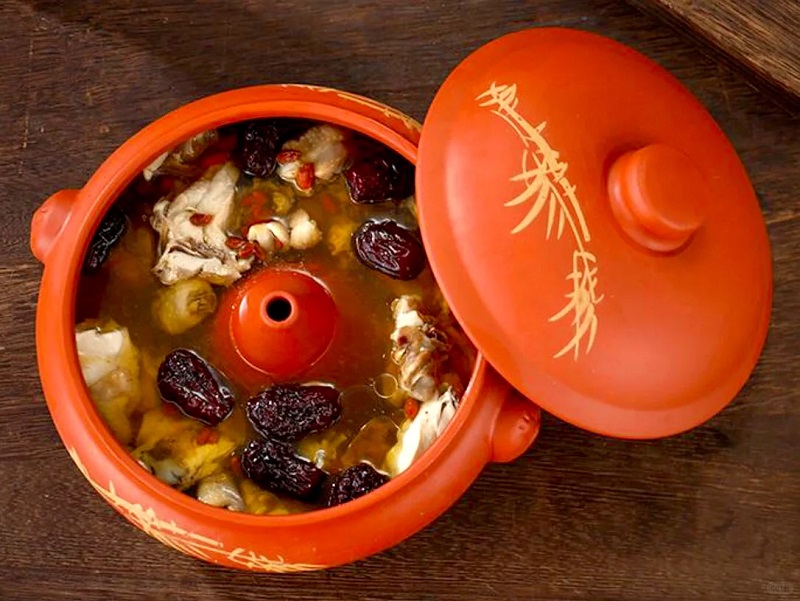
Steam Pot Chicken
Regional Specialties Across Yunnan
As you travel beyond Kunming, each destination introduces a new set of flavors shaped by local culture and geography.
Dali (Bai Cuisine – Light and Fresh)
-
Rushan (grilled milk cheese), often paired with rose jam
-
Xizhou Baba, a crispy baked flatbread with sweet or savory fillings
-
Sour and spicy fish, typically made with fresh lake fish
Lijiang (Naxi Cuisine – Rich and Hearty)
-
Cured pork rib hot pot, ideal for cooler weather
-
Chickpea jelly, a cold appetizer with chili oil and vinegar dressing
-
Naxi-style grilled fish with bold seasoning
Shangri-La (Tibetan Influence – High-Altitude Comfort Food)
-
Yak meat dishes, including dried or stewed variations
-
Butter tea, a salty, high-energy drink
-
Barley-based staples like Tibetan bread
Xishuangbanna (Dai Cuisine – Tropical and Aromatic)
-
Lemongrass grilled fish with Southeast Asian flavors
-
Hand-grabbed rice platters with grilled meats and fresh herbs
-
Sour and spicy dipping sauces with strong citrus notes
This regional diversity is what makes Yunnan particularly appealing for food-focused travel.
Hidden Local Foods Worth Trying
Beyond well-known dishes, Yunnan also offers lesser-known specialties that many tourists overlook:
-
Flower cakes (鲜花饼): Pastries filled with rose petals, widely available as snacks or souvenirs
-
Houttuynia salad (凉拌折耳根): A strong-flavored herb dish that locals love but visitors often find challenging
-
Tofu rice noodles (豆花米线): A soft, layered dish combining noodles with silky tofu
-
Xuanwei ham (宣威火腿): One of China’s top cured meats, used in various traditional recipes
Trying these foods gives a deeper understanding of local eating habits beyond restaurant menus designed for tourists.
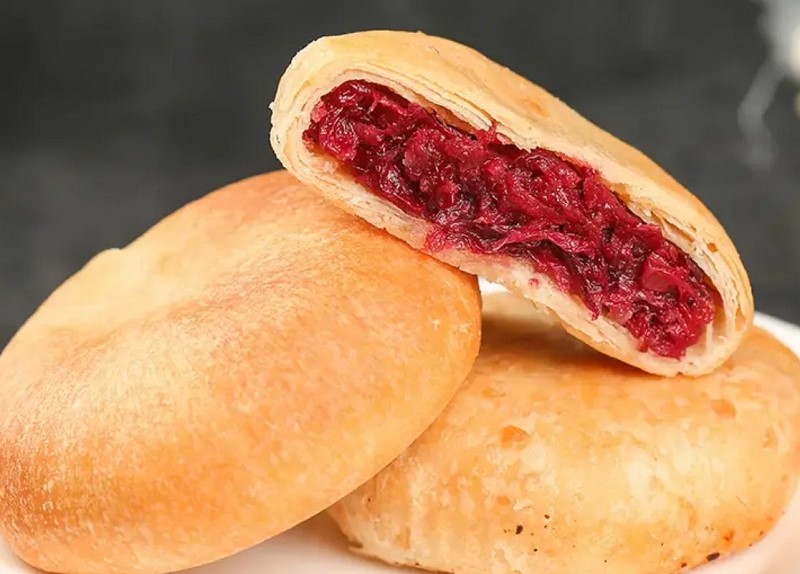
Flower cakes
Suggested Yunnan Food Travel Route
If your trip is centered around food, structuring your itinerary can help you experience the full range of flavors:
-
Days 1–2: Kunming
Focus on noodles, steam pot dishes, and seasonal mushrooms -
Days 3–4: Dali
Explore Bai-style snacks and lighter, dairy-influenced dishes -
Days 5–6: Lijiang
Enjoy hearty meals and traditional Naxi flavors -
Day 7: Shangri-La
Try Tibetan food and adapt to high-altitude cuisine -
Optional extension: Xishuangbanna (2–3 days)
Experience a completely different, tropical flavor profile
This route reflects both geographic flow and culinary progression.
Practical Tips for Eating in Yunnan
To make the most of your food experience in Yunnan, keep these points in mind:
-
Follow the seasons: Mushroom dishes are best from June to October, while other specialties vary by region.
-
Be cautious with wild foods: Always choose reputable restaurants when trying wild mushrooms.
-
Start with small portions: Some local ingredients have strong flavors that may take time to appreciate.
-
Adjust to altitude: In places like Shangri-La, avoid overeating heavy foods on your first day.
-
Use local payment apps: Alipay and WeChat Pay are widely accepted, though cash is still useful in smaller towns.
Planning ahead while staying flexible will allow you to enjoy both famous dishes and unexpected discoveries.
Plan Your Yunnan Food Experience with Confidence
Yunnan’s food is not defined by a single dish but by its range, seasonality, and cultural depth. From the earthy richness of wild mushrooms in Kunming to the bright, herbal flavors of Dai cuisine in the south, every stop offers something distinct.
If you’re visiting for the first time, focus on combining major destinations with local specialties rather than trying to cover everything. Prioritize seasonal foods, eat where locals gather, and allow room in your itinerary for spontaneous discoveries—because in Yunnan, some of the best meals are the ones you didn’t plan.