In the vast expanse of Xinjiang, no city embodies “extremes” as vividly as Turpan. It is the hottest place in China and the lowest depression in the country. Surrounded by scorching red deserts yet flowing with sweet, crystal-clear underground springs, Turpan is a living paradox.
Stepping into Turpan is like opening a dusty, thousand-year-old encyclopedia of the Silk Road. Here, you find not only the legendary colors of the Journey to the West but also the tangible miracles of human civilization.
A Geological Miracle — Finding the Soul at China’s Lowest Point
The Turpan Basin is a classic “geological depression.” This unique terrain has created a natural climate unlike anywhere else on Earth.
The Aesthetics of “The Fire Island”
Known as “Huozhou” (Fire Island), Turpan sees summer temperatures frequently exceeding $40°C$ ($104°F$), with ground temperatures reaching as high as $70°C$ ($158°F$). However, this heat is a dry, pure heat. For travelers, this thermal energy gives the rocks and soil a pristine texture, making the Flaming Mountains appear as if they are literally ablaze.
Lake Ayding: -154 Meters Below Sea Level
Located at the bottom of the basin, Lake Ayding is the lowest point in China. Once a vast sea, it is now a serene intersection of salt flats and desert. Standing here, you can feel the profound stillness of being “deep within the earth.”
Epics on the Ruins — A Dialogue Between Two Ancient Cities
Turpan was a vital political, economic, and cultural hub on the ancient Silk Road. The ruins of Jiaohe and Gaochang are the city’s most significant historical signatures.
Jiaohe Ancient City: The World’s Best-Preserved Earthen City
Jiaohe is the largest, oldest, and best-preserved earthen city in the world. Unlike traditional architecture that “builds up,” Jiaohe was “carved down.” Ancient settlers excavated streets, courtyards, and temples downward into the massive yellow loess plateau.
-
An Architectural Wonder: Walking through the ancient streets, the remnants of the Tang Dynasty layout are still visible. As the sun sets, the golden light hits the reddish-brown earthen walls, creating a sense of sacredness that touches the soul.
-
Historical Weight: Once the seat of the “Protectorate General to Stabilize the West,” Jiaohe witnessed the deep integration of Central Plains culture and Western Region civilizations.
Gaochang Ruins: The Spirit of the Silk Road and Xuanzang’s Legacy
If Jiaohe was a military stronghold, Gaochang was the peak of commerce and religion. As the capital of the ancient Gaochang Kingdom, it was the busiest trade hub on the Silk Road.
-
In the Footsteps of the Master: The legendary Tang Dynasty monk Xuanzang once stopped here, becoming sworn brothers with the King of Gaochang and preaching for over a month. Though the halls are now in ruins, the grand circular preaching altar still evokes images of the vast crowds of monks and believers from centuries ago.
The Source of Life — The Karez Wells and the Underground Oasis
In a place with less than 20mm of annual rainfall, how has life flourished? The answer lies beneath the surface.
The Karez System: A Great Wall of Water
The Karez Wells are hailed as one of the three great engineering feats of ancient China (alongside the Great Wall and the Grand Canal). This ingenious underground irrigation system utilizes the basin’s slope to channel snowmelt from the Tianshan Mountains into covered channels, preventing evaporation from the intense sun.
-
The Underground Arteries: There are over 1,000 Karez wells in Turpan, with a total length exceeding 5,000 kilometers.
-
The Foundation of Life: It is because of the Karez system that the Grape Valley flourishes and century-old villages thrive at the desert’s edge.
Legend and Nature Intertwined — The Flaming Mountains
Reality Meets the “Journey to the West”
For many, the first image of Turpan is the Flaming Mountains. In the classic novel Journey to the West, this is where the Monkey King sought the Iron Fan to extinguish the celestial fires.
-
Natural Landscape: Composed mainly of red sandstone, the mountains shimmer like rolling flames under the mid-summer sun.
-
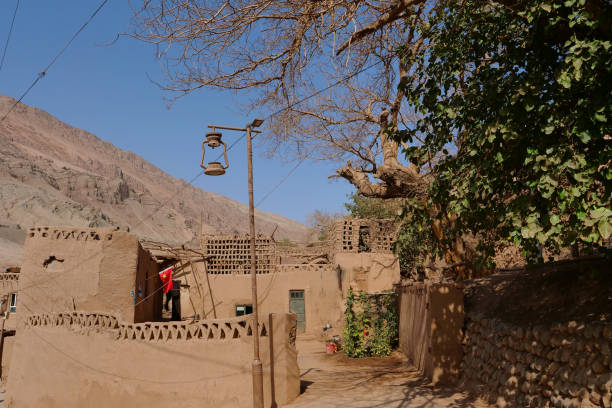
The Deep Experience: Beyond the main tourist site, we recommend entering the Tuyugou Grand Canyon. There, you can observe the intricate folds of the Flaming Mountains up close and visit the “Eastern Mecca”—the Tuyugou Mazar Village—to experience authentic Uyghur folk architecture.
The Sweetness of Turpan — Grape Valley and Local Flavors
Grape Valley: An Emerald in the Desert
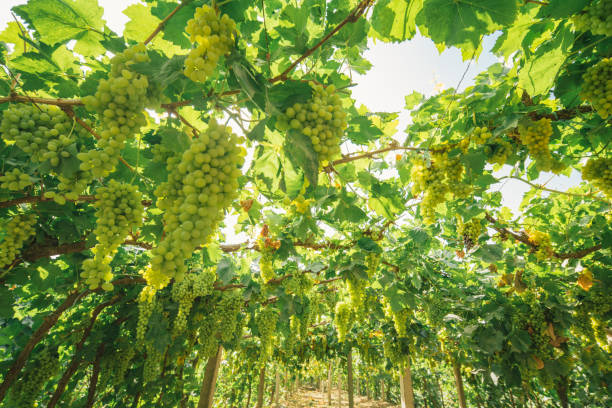
In the middle of the scorching basin, the Grape Valley is like an emerald set in gold. With babbling brooks and layers of grape trellises, it forms an 8-kilometer-long natural green corridor.
-
Hometown of Grapes: Turpan grows hundreds of varieties of grapes. The seedless white grape is the most famous, with a high sugar content that makes for world-class raisins.
The Taste of Turpan
-
Turpan Kebab: The mutton here is exceptionally firm and fragrant due to the dry, hot climate.
-
Kuordak: A traditional Uyghur stew made with mutton, potatoes, and carrots. It is a simple yet profound showcase of fresh ingredients.
The Kumtag Desert — A Golden Tide on the City’s Edge
The Kumtag Desert, located in Shanshan County, is one of the few deserts in the world that directly touches a city.
A Stand-off Between Sand and Oasis
Here, you can witness the wonder of “sand not advancing, green not retreating.” From the top of the dunes, you see an endless sea of golden sand on one side and lush fields and towns on the other.
-
Premium Suggestion: For high-end travelers, we arrange sunset desert dinners or dune surfing, allowing you to experience ultimate romance amidst ultimate desolation.
Turpan is more than just a geographical term for heat; it is a hymn to “survival and civilization.” Under the most intense temperatures, ancient people dug the Karez wells; on the most barren plateaus, they carved the city of Jiaohe.
As you wander through the ruins of Jiaohe or sit beneath a grape trellis tasting the world’s sweetest fruit, you realize that Turpan’s charm lies in its extreme contrasts. It is scorching yet cool; barren yet fertile. This millennial journey through the Silk Road offers a profound revelation of the power of life.