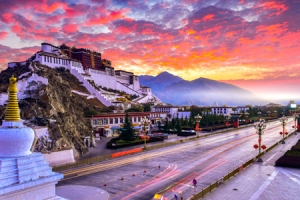
Yamdrok Lake is one of the most famous lakes in Tibet, known for its striking turquoise color and easy access from Lhasa. However, its popularity comes with a downside: crowds, especially during peak season and midday hours. Viewing platforms can get busy, and the experience sometimes feels rushed rather than immersive.
If you’re looking for a quieter, more expansive lake experience, Tibet offers several excellent alternatives. These destinations provide equally impressive scenery—often with fewer tourists, more space, and a stronger sense of remoteness. This guide explores the best less crowded alternatives to Yamdrok Lake, along with practical tips for planning your visit.
Why Look Beyond Yamdrok Lake?
Yamdrok’s appeal is undeniable, but it also has structural limitations.
Its proximity to Lhasa makes it a standard stop on most itineraries, meaning large numbers of tour vehicles arrive at similar times. Most visits are short, typically 1–2 hours, focused on a few viewpoints along the road. As a result, even though the lake itself is vast, your actual experience may be limited to crowded observation points.
Choosing alternative lakes allows you to:
- Spend more time in a quieter environment
- Access less commercialized landscapes
- Experience a stronger sense of scale and isolation
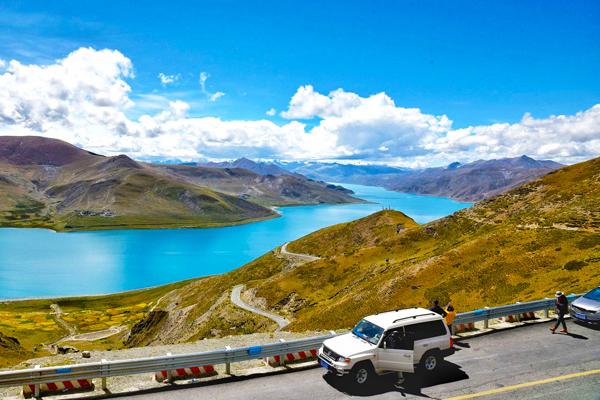
Serling Tso: The Largest Lake You’ve Never Heard Of
Located in northern Tibet, Serling Tso is the largest lake in the region and one of the biggest on the Tibetan Plateau. Despite its size, it remains relatively unknown to mainstream travelers.
The landscape here is vast and raw. There are no built-up viewing platforms, and visitor infrastructure is minimal. This means you can often stand by the lake without seeing another tourist group nearby.
The water color varies from deep blue to green depending on light conditions, and the surrounding terrain feels expansive and untouched. Getting here requires more travel time compared to Yamdrok, but that is precisely what keeps the crowds away.
Peiku Tso: A Quiet Lake with Himalayan Backdrop
Peiku Tso, located near the route to Everest Base Camp, is one of the most underrated lakes in Tibet.
What makes Peiku Tso special is its setting. On clear days, you can see Shishapangma (8,027 m)—the only 8,000-meter peak entirely within China—rising in the distance. The contrast between the lake’s calm surface and the towering mountain creates a dramatic yet शांत atmosphere.
Unlike Yamdrok, Peiku Tso receives far fewer visitors. Most travelers pass by quickly or skip it entirely, which makes it an ideal stop if you want space, silence, and unobstructed views.
Namtso’s Remote Corners: Beyond the Main Viewpoint
Namtso Lake is another well-known destination, but most visitors only stop at the Tashi Peninsula, where facilities and crowds are concentrated.
If you’re willing to explore further, the outer areas of Namtso offer a very different experience. With proper planning (and often a private vehicle), you can reach less-visited sections of the lake, where the landscape opens up and visitor density drops significantly.
Spending a night near Namtso also helps avoid peak hours, allowing you to experience sunset and sunrise in relative solitude.
Basum Tso: A Forest-Lake Contrast in Eastern Tibet
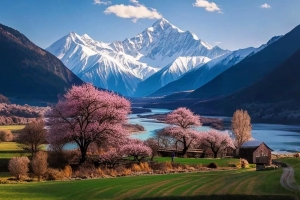
For a completely different atmosphere, Basum Tso (Basumtso Lake) in Nyingchi offers a quieter and greener alternative.
Surrounded by forests and mountains, Basum Tso feels less harsh than the high-altitude lakes of central Tibet. The water is clear, the air is more humid, and the overall environment is more relaxed.
While it has gained popularity in recent years, it is still less crowded than Yamdrok—especially if you visit early or stay overnight. The combination of lake, forest, and cultural elements makes it a well-rounded destination.
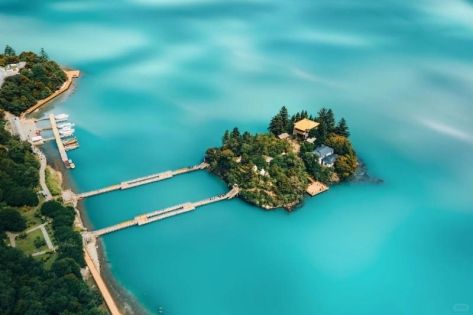
Basum Tso
La’ang Tso: The “Ghost Lake” Near Mount Kailash
Located near Mount Kailash, La’ang Tso (often called the “Ghost Lake”) offers a stark and atmospheric alternative.
Unlike the sacred Lake Manasarovar nearby, La’ang Tso has a more austere and windswept appearance. The water is darker, and the surrounding landscape feels almost surreal.
Because most pilgrims focus on Mount Kailash and Manasarovar, La’ang Tso remains relatively overlooked. This makes it a good choice for travelers seeking dramatic scenery without crowds.
How to Choose the Right Alternative
Each lake offers a different type of experience, so the best choice depends on your itinerary and travel style.
If you want something remote and rarely visited, Serling Tso is ideal.
If you’re already heading toward Everest, Peiku Tso is the most convenient addition.
If you prefer greener landscapes and lower altitude, Basum Tso is a strong option.
If your route includes western Tibet, La’ang Tso provides a unique atmosphere.
Rather than replacing Yamdrok entirely, many travelers choose to combine one popular lake with one quieter alternative for balance.
Practical Tips for Visiting Quiet Lakes in Tibet
Reaching less crowded lakes often requires longer travel times and more flexible planning. Road conditions vary, and facilities may be limited.
Traveling with a private guide and driver makes it easier to adjust routes and stop at quieter viewpoints. Timing also matters—early morning and late afternoon remain the best periods for both lighting and reduced visitor numbers.
Foreign travelers must arrange permits in advance, and certain remote areas may have additional restrictions.
Are Quiet Lakes in Tibet Worth the Extra Effort?
In most cases, yes.
While Yamdrok Lake is visually stunning, quieter alternatives often provide a more immersive and less interrupted experience. Instead of sharing viewpoints with dozens of tour groups, you can take in the landscape at your own pace.
If your goal is not just to see Tibet but to feel its scale and stillness, these lesser-known lakes can be some of the most rewarding parts of your journey.
Planning a Less Crowded Tibet Itinerary
Incorporating quieter destinations into your itinerary requires thoughtful route design. Working with a knowledgeable local operator can help identify the right balance between accessibility and solitude.
China Dragon Travel offers customized Tibet tours that include both iconic highlights and off-the-beaten-path locations like Peiku Tso and eastern Tibet lakes, ensuring a more balanced and less crowded experience.