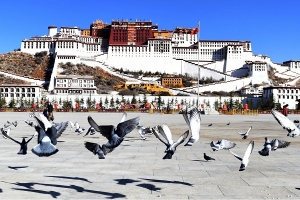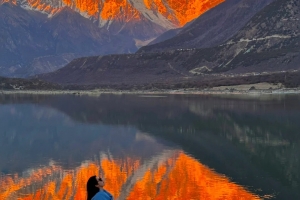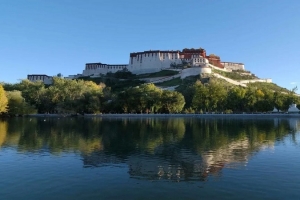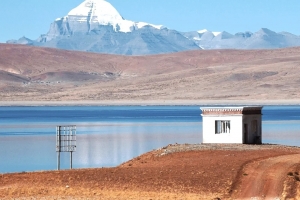
For many travelers, Tibet means Potala Palace, Everest Base Camp, and busy viewpoints filled with tour groups. These places are famous for good reason, but they are only one side of Tibet.
Beyond the classic routes, there is another Tibet that feels quieter, slower, and more connected to everyday life and nature. In eastern valleys, remote grasslands, forested lakes, and small mountain villages, travelers can experience a version of Tibet that many visitors never see.
These quieter routes are not necessarily about checking famous landmarks off a list. They are more about atmosphere — long drives through mountain scenery, peaceful monasteries, empty roads, and the feeling of distance from crowded tourist destinations.
Why More Travelers Are Looking for Quiet Tibet Routes
In recent years, Tibet has become more accessible than before. Flights, trains, and organized tours have made popular destinations easier to reach, especially around Lhasa and Everest Base Camp.
As a result, some travelers now prefer routes that offer:
- Fewer crowds
- More natural scenery
- Slower travel pace
- Better photography conditions
- More local cultural experiences
Quiet travel in Tibet is less about rushing between attractions and more about experiencing the landscapes and rhythm of the plateau itself.
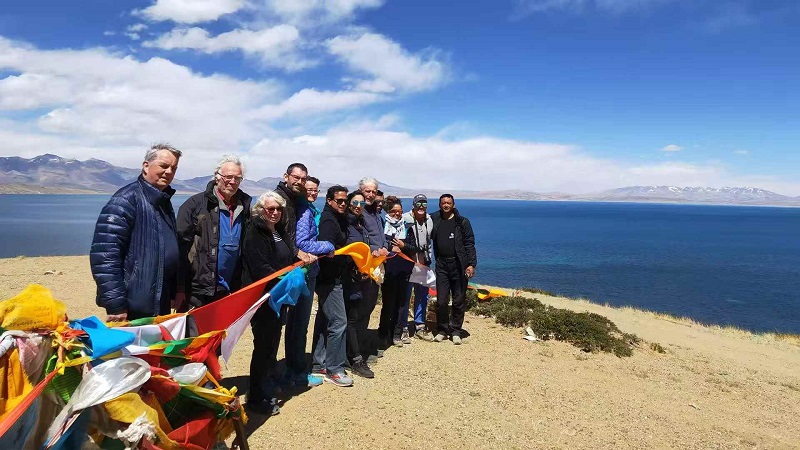
Tibet Tourists
Eastern Tibet Feels Completely Different
One of the biggest surprises for first-time visitors is how different eastern Tibet looks compared with western Tibet.
Many people expect:
- Dry plains
- Rocky mountains
- Empty high-altitude landscapes
But eastern Tibet often includes:
- Forests
- Rivers
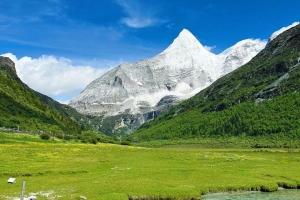
- Deep valleys
- Snow mountains
- Green grasslands
Because this region receives more rainfall, the scenery feels softer and greener.
This area is especially popular with travelers interested in:
- Road trips
- Photography
- Nature-focused itineraries
- Slow travel experiences
Ranwu Lake: One of Tibet’s Quietest Landscapes
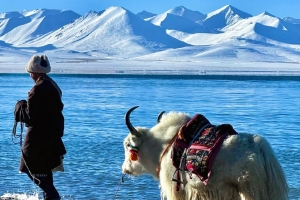
Ranwu Lake is one of the best examples of Tibet’s quieter side.
Located along the Sichuan-Tibet Highway, the lake is surrounded by:
- Snow peaks
- Forests
- Glacier-fed water
- Small Tibetan villages
Unlike more famous lakes near Lhasa, Ranwu often feels peaceful even during travel season.
Many travelers spend time:
- Walking beside the lake
- Watching mountain reflections
- Photographing sunrise
- Staying in lakeside guesthouses
The atmosphere here is calm rather than dramatic.
Midui Glacier and the Forested Valleys of Nyingchi
The Nyingchi region is another area that surprises many travelers.
Sometimes called Tibet’s greenest region, Nyingchi is known for:
- Forested valleys
- Peach blossoms in spring
- Snow mountains
- Lower-altitude scenery
Midui Glacier, located near the town of Ranwu, combines glaciers, forests, and traditional villages in one landscape.
Compared with Tibet’s more famous destinations, this area still receives relatively fewer international visitors.
Quiet Monasteries Beyond the Main Tourist Circuit
Lhasa’s monasteries are impressive, but smaller monasteries outside the main tourist route often feel more personal and peaceful.
In quieter regions, visitors may encounter:
- Monks studying in courtyards
- Prayer flags across mountain passes
- Villages built around monasteries
- Pilgrims walking traditional routes
These places often provide a stronger sense of daily Tibetan life than crowded sightseeing areas.
The Grasslands of Northern Tibet
Northern Tibet offers a completely different atmosphere from both Lhasa and eastern Tibet.
The landscape here is vast and remote, with:
- Open grasslands
- Nomadic settlements
- High-altitude lakes
- Long empty roads
Travelers who enjoy silence, wide landscapes, and remote scenery often find northern Tibet especially memorable.
Because distances are large, this region is better suited for longer overland trips.
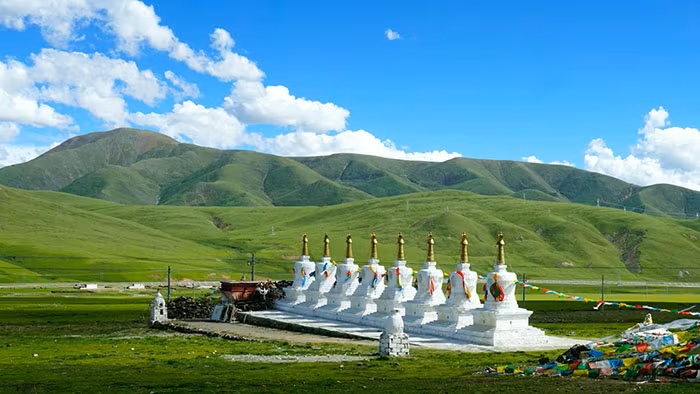
Nagqu Grasslands
Slow Travel Works Better in Tibet
One reason quieter routes feel more rewarding is that Tibet itself naturally encourages slower travel.
High altitude, long driving distances, and changing weather mean that rushing between attractions rarely feels comfortable.
Many experienced travelers eventually realize that the most memorable moments in Tibet are often:
- Unexpected mountain views
- Small roadside villages
- Quiet mornings in guesthouses
- Conversations with locals
- Long scenic drives
Not just famous landmarks.
Best Time for Quiet Travel in Tibet
The best season depends on the route.
Spring (April–May)
Good for:
- Peach blossoms in Nyingchi
- Snow mountain scenery
- Fewer crowds than summer
Summer (June–August)
Best for:
- Green landscapes
- Road trips
- High-altitude grasslands
However, this is also peak travel season.
Autumn (September–October)
Often considered ideal because of:
- Clear skies
- Stable weather
- Better photography conditions
Winter (November–March)
The quietest season overall, especially outside Lhasa.
Is Quiet Tibet Travel More Difficult?
In some ways, yes.
Less-visited routes may involve:
- Longer driving distances
- Simpler accommodations
- Fewer restaurants
- Limited public transportation
However, many travelers feel these conditions are part of the experience rather than disadvantages.
Traveling more slowly often creates a deeper connection with the landscape.
How to Plan a Quiet Tibet Route
For travelers interested in less crowded areas, good route planning is important.
Popular quiet travel regions include:
- Nyingchi
- Ranwu Lake
- Eastern Tibet
- Northern grasslands
- Smaller monastery regions
Because transportation infrastructure is limited in remote areas, private vehicles or organized tours are usually the most practical option.
China Dragon Travel offers customized Tibet routes focused on quieter landscapes, scenic overland travel, photography, and slower-paced experiences beyond the standard Lhasa and Everest itineraries.
Tibet Is Much Bigger Than Its Famous Landmarks
For first-time visitors, Lhasa and Everest are still worth seeing. But they are only part of Tibet’s story.
The quieter side of Tibet often leaves the deepest impression — forest roads in eastern valleys, prayer flags moving in mountain wind, empty grasslands, and mornings beside lakes with almost no one around.
For travelers willing to go beyond the standard route, Tibet becomes less about sightseeing and more about atmosphere, distance, and experience.