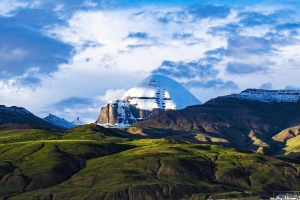
For many travelers, the Mount Kailash trek is not just a physical journey — it is a spiritual and psychological challenge as well. Located in remote western Tibet, the Kailash Kora is considered one of the world’s most famous high-altitude pilgrimage routes.
Before planning the trip, one question appears almost everywhere online:
How difficult is the Kailash trek?
The short answer is: the Kailash trek is challenging, but achievable for many ordinary travelers with proper preparation.
You do not need mountaineering skills or technical climbing experience. However, the combination of high altitude, long walking distances, unpredictable weather, and remote conditions makes the trek significantly harder than normal hiking routes.
This guide explains the real difficulty level of the Mount Kailash trek, including altitude, trekking conditions, fitness requirements, and practical advice for first-time visitors.
What Is the Kailash Trek?
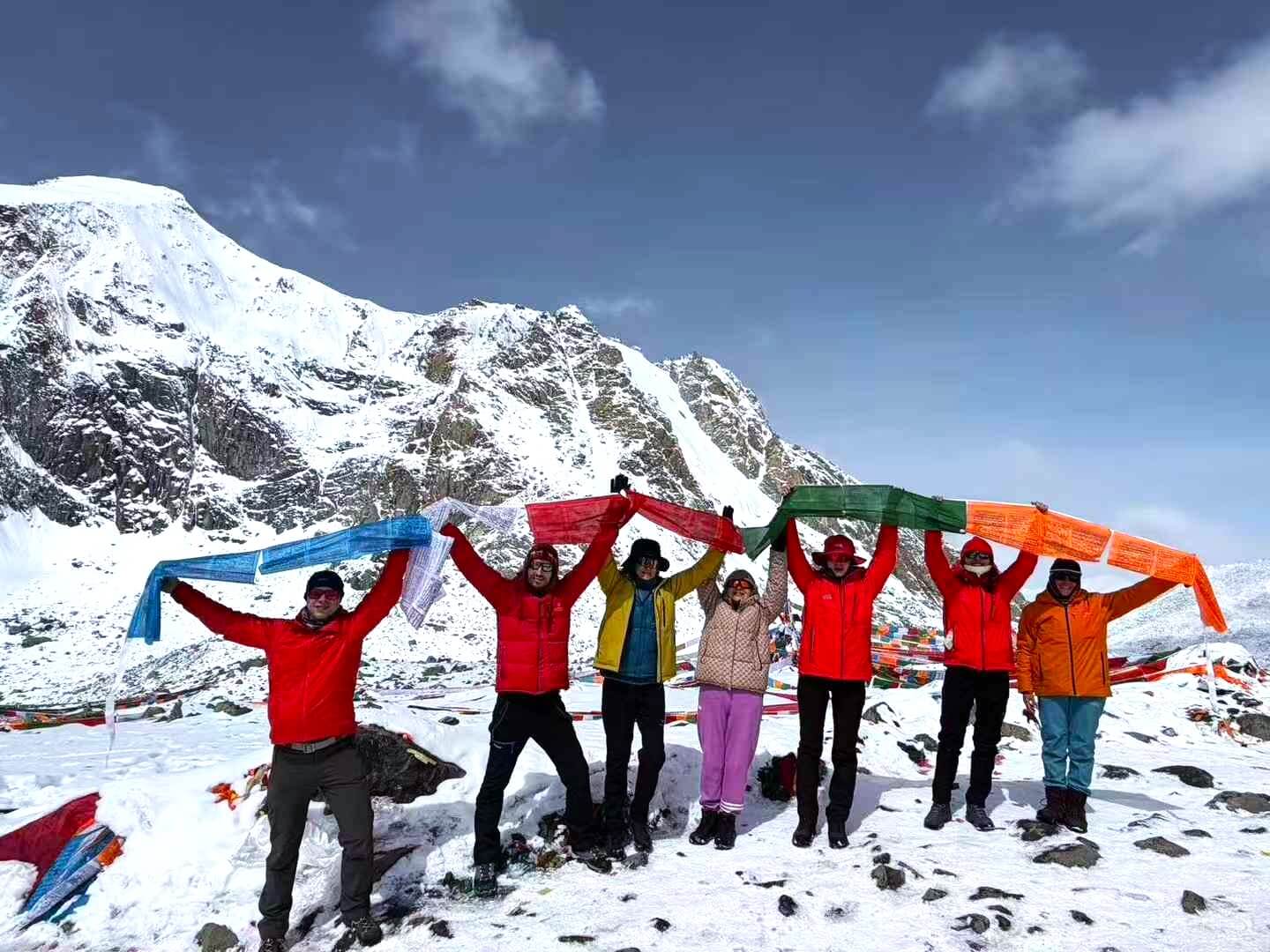
The Kailash trek, also called the Kailash Kora, is a pilgrimage route circling Mount Kailash in western Tibet.
The full trekking distance is approximately:
- 52 km (32 miles)
- Usually completed in 3 days
The route passes through:
- Darchen
- Dirapuk Monastery
- Dolma La Pass
- Zutulpuk Monastery
For Tibetan Buddhists, Hindus, Jains, and Bon followers, this is one of the world’s most sacred pilgrimage routes.
For travelers, it is also one of the highest and most physically demanding trekking experiences accessible without technical climbing.
Why Is the Kailash Trek Considered Difficult?
The difficulty comes mainly from altitude rather than terrain.
Unlike steep mountain expeditions involving ropes or climbing equipment, the Kailash trek is technically straightforward. Most of the trail is a clear walking path.
However, several factors make it challenging.
Extreme Altitude Is the Biggest Challenge
The single hardest part of the Kailash trek is the elevation.
Key altitudes include:
- Darchen: around 4,670m
- Dirapuk: around 5,080m
- Dolma La Pass: around 5,630m
At over 5,600 meters, oxygen levels are dramatically lower than at sea level.
Even physically fit travelers may experience:
- Shortness of breath
- Headaches
- Fatigue
- Slow walking pace
- Difficulty sleeping
This is why altitude adaptation matters more than athletic ability.
The Dolma La Pass Is the Toughest Section
Day 2 of the trek is widely considered the most difficult.
Travelers must cross Dolma La Pass at approximately 5,630 meters, which involves:
- Steep uphill climbing
- Thin oxygen
- Rocky terrain
- Sudden weather changes
The ascent can feel exhausting even for experienced hikers.
Most people walk very slowly, often stopping frequently to rest.
The descent afterward can also be difficult because of loose rocks and tired legs.
Weather Conditions Can Change Quickly
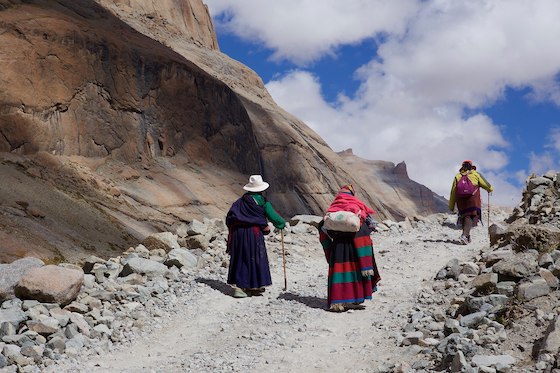
Western Tibet weather is unpredictable.
Even during trekking season, travelers may experience:
- Strong wind
- Snowfall
- Freezing mornings
- Intense sun exposure
- Sudden temperature drops
A sunny morning can quickly become cold and windy at high elevation.
Proper clothing layers are essential.
Do You Need to Be Very Fit?
Not necessarily — but basic fitness helps a lot.
The Kailash trek is usually manageable for travelers who:
- Walk regularly
- Can handle long-distance hiking
- Have no serious heart or lung conditions
You do not need marathon-level endurance, but you should be comfortable walking for several hours at a slow pace.
Mental preparation is also important. At high altitude, even short distances can feel surprisingly tiring.
Can Beginners Complete the Kailash Trek?
Yes, many first-time trekkers successfully complete the Kailash Kora every year.
However, beginners should:
- Spend time acclimatizing in Tibet first
- Avoid rushing the itinerary
- Travel with experienced guides
- Prepare physically before arrival
The trek becomes much harder if travelers arrive directly from low altitude without acclimatization.
Most organized tours include several days in Lhasa and western Tibet beforehand to help the body adjust gradually.
Is the Kailash Trek Harder Than Everest Base Camp?
This depends on which Everest Base Camp route you compare.
Compared with Tibet Everest Base Camp:
- Kailash is significantly harder physically
- Longer walking distances
- Higher trekking altitude
Compared with Nepal Everest Base Camp:
- Kailash is shorter
- But altitude is often more extreme
Many travelers say the Kailash trek feels harder because of the combination of thin air and remote conditions.
Can You Ride a Horse During the Kailash Trek?
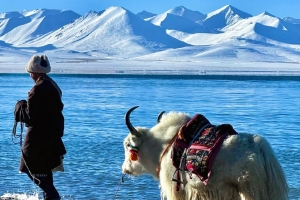
Yes, horses and yaks are available on parts of the route.
Many travelers hire:
- Horses for riding
- Porters for carrying bags
However, horses cannot fully cross every section safely, especially near Dolma La Pass.
Travelers should still expect substantial walking.
How to Prepare for the Kailash Trek
Preparation greatly affects how difficult the trek feels.
Acclimatize Properly
Spend several days in Tibet before reaching Kailash.
Train Before the Trip
Walking, stair climbing, and light cardio training help improve endurance.
Pack Correct Clothing
Bring:
- Warm layers
- Waterproof outerwear
- Gloves and hats
- Good trekking shoes
Walk Slowly
At high altitude, slow and steady pacing is extremely important.
Stay Hydrated
Dry high-altitude air increases dehydration risk.
Is the Kailash Trek Worth the Difficulty?
For many travelers, absolutely.
The trek combines:
- Sacred Tibetan culture
- Remote Himalayan landscapes
- Spiritual atmosphere
- Personal physical challenge
Even travelers who are not religious often describe the experience as emotionally powerful.
The scenery, silence, and sense of remoteness make the Kailash region unlike almost anywhere else in Tibet.
Planning a Kailash Trek in Tibet
Because Mount Kailash is located in remote western Tibet, organized logistics are extremely important.
Travelers usually need:
- Tibet Travel Permit
- Aliens’ Travel Permit
- Transportation arrangements
- Accommodation planning
- Acclimatization schedule
China Dragon Travel provides customized Kailash tours including permits, guides, transportation, accommodation, and acclimatization-focused itineraries designed to improve safety and comfort during high-altitude travel.
Prepare Well and Be Respectful
So, how difficult is the Kailash trek?
It is challenging, mainly because of altitude rather than technical hiking difficulty. The trek demands patience, slow pacing, and proper preparation more than athletic performance.
For travelers who prepare well and respect the high-altitude environment, the Kailash trek is achievable — and often becomes one of the most unforgettable journeys of their lives.