Where Is Tibet Everest Base Camp?
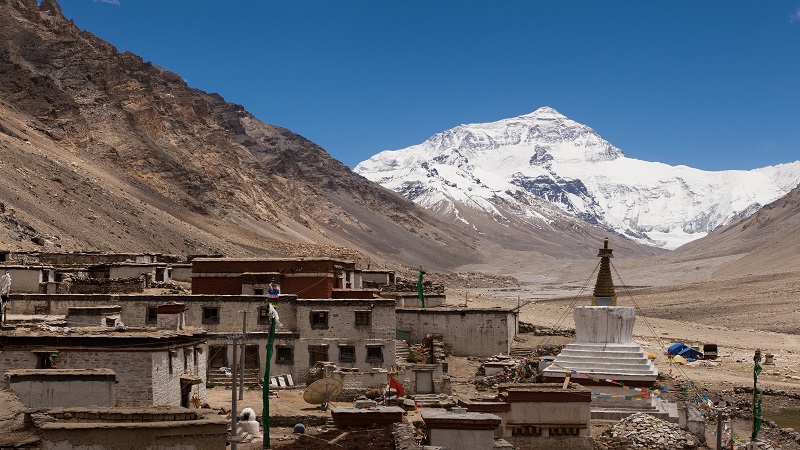
The Everest Base Camp visited by most travelers in Tibet is located on the north side of Mount Everest in Tingri County, western Tibet.
The altitude is approximately 5,200 meters (17,060 feet) above sea level. At this elevation, the air is thin, humidity is extremely low, and temperatures change rapidly between day and night.
Unlike trekking-style Everest Base Camps in Nepal, the Tibet side is accessible by vehicle, making it possible for travelers to reach the area without multi-day hiking. However, the high altitude and harsh climate still create challenging nighttime conditions.
Why Does Everest Base Camp Feel So Cold at Night?
Several environmental factors combine to make nights at Everest Base Camp feel significantly colder than many travelers anticipate.
High Altitude
At over 5,000 meters, the atmosphere retains less heat after sunset. Once the sun disappears, temperatures drop quickly and continue falling throughout the evening.
Strong Wind
Wind is one of the biggest reasons the cold feels severe. Even when temperatures are technically manageable, wind exposure can dramatically increase heat loss.
Open plateau terrain around Everest Base Camp provides very little natural protection from cold air movement.
Dry Air
The air in Tibet is extremely dry, especially in western regions. Dry air combined with altitude often causes travelers to feel colder overnight, particularly in unheated environments.
Limited Heating
Accommodation near Everest Base Camp is basic compared to hotels in major cities. Heating systems are limited, and some guesthouses rely only on thick blankets rather than full room heating.
Average Night Temperatures by Season
Nighttime temperatures at Everest Base Camp vary greatly depending on season.
Spring (April–May)
Spring is one of the most popular travel periods. Daytime weather is relatively stable, but nights remain cold.
Typical night temperatures:
- Around -10°C to -5°C (14°F to 23°F)
Wind conditions can make it feel even colder after sunset.
Summer (June–August)
Summer is technically the warmest season, but “warm” is relative at this altitude.
Typical night temperatures:
- Around -5°C to 0°C (23°F to 32°F)
Rainfall is possible during summer, especially farther east in Tibet, though Everest region conditions remain relatively dry.
Autumn (September–October)
Autumn is often considered the best season for Everest visibility due to clearer skies.
Typical night temperatures:
- Around -10°C to -15°C (14°F to 5°F)
This season combines excellent mountain views with increasingly cold evenings.
Winter (November–March)
Winter conditions are extreme, with very low temperatures and strong winds.
Typical night temperatures:
- Often below -20°C (-4°F)
Some accommodations reduce operations during this period, and conditions become significantly harsher.
Is Sleeping at Everest Base Camp Difficult?
For some travelers, yes.
The combination of cold temperatures, altitude, and low oxygen levels can affect sleep quality. Even travelers who do not experience serious altitude sickness may find themselves waking frequently during the night.
Common issues include:
- Feeling cold despite blankets
- Dry throat or nose
- Mild headaches
- Light sleep caused by altitude
However, many travelers still manage to sleep reasonably well with proper preparation.
What Type of Accommodation Is Available?
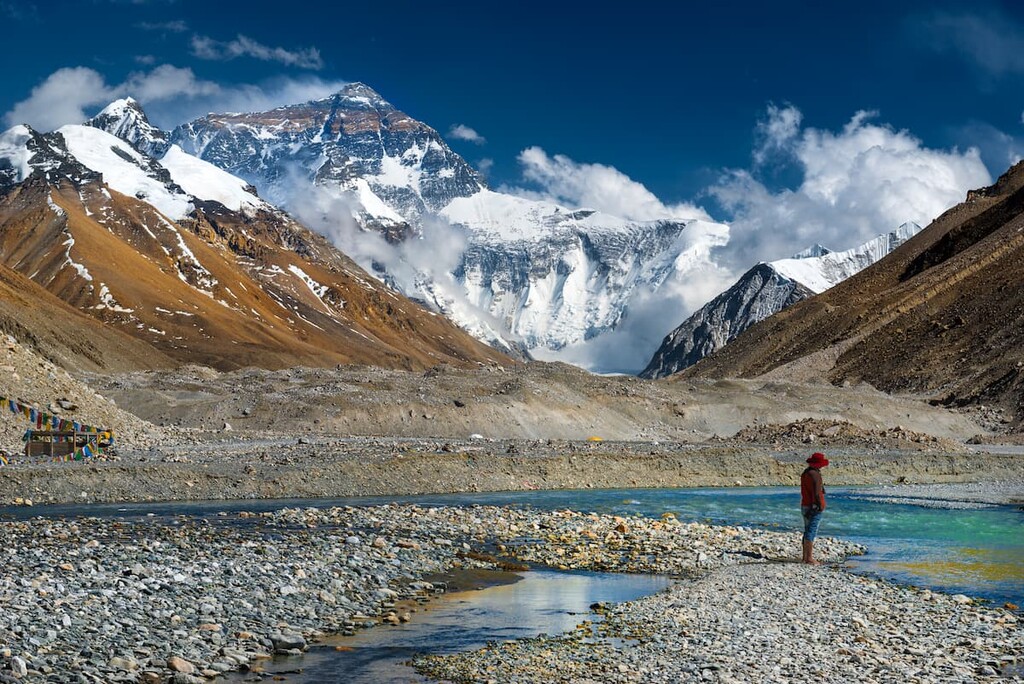
Accommodation at Tibet Everest Base Camp is usually simpler than many travelers expect.
Depending on season and current regulations, travelers may stay in:
- Tent guesthouses (during warmer months)
- Basic local guesthouses or Rongbuk area lodges
Facilities are limited. Bathrooms are basic, electricity may be restricted at night, and heating is usually minimal.
That said, staying overnight remains worthwhile for many visitors because it allows access to:
- Sunset over Everest
- Sunrise mountain views
- Night sky photography
- A quieter atmosphere after day visitors leave
What Should You Wear at Night?
Layering is essential.
Recommended clothing includes:
- Thermal base layers
- Insulated jacket or down coat
- Warm hat and gloves
- Thick socks
- Windproof outer layer
Even in summer, temperatures can drop close to freezing overnight.
Inside guesthouses, many travelers continue wearing thermal clothing while sleeping.
Practical Tips to Stay Warm
Small preparations can make a major difference at Everest Base Camp.
Bring a Sleeping Bag Liner
Even when blankets are provided, an extra sleeping layer improves warmth and comfort.
Drink Warm Fluids
Hot tea or soup before bed helps maintain body temperature.
Avoid Getting Sweaty Before Nightfall
Wet clothing cools quickly in the dry high-altitude air. Staying dry is important.
Charge Electronics Early
Cold temperatures drain batteries faster, especially overnight.
Keep Expectations Realistic
Everest Base Camp is about the experience, not luxury comfort. Accepting basic conditions helps travelers enjoy the environment more fully.
Is Everest Base Camp Worth Staying Overnight?
For most travelers, absolutely.
While daytime visits offer impressive mountain views, staying overnight provides a completely different atmosphere. After most tour groups leave, the area becomes quieter and more dramatic. The stars appear exceptionally bright due to the altitude and minimal light pollution.
Watching sunrise illuminate Everest early in the morning is often one of the most memorable moments of a Tibet journey.
The cold can be challenging, but with proper preparation, it becomes part of the adventure rather than a problem.
Planning an Everest Base Camp Trip in Tibet
Because foreign travelers in Tibet must travel with permits and organized transportation, most Everest Base Camp visits are arranged through travel agencies.
A well-planned itinerary helps travelers:
- Acclimatize gradually
- Prepare for altitude and cold conditions
- Choose the best season for visibility and comfort
China Dragon Travel provides Everest Base Camp tours with transportation, permits, accommodations, and customized Tibet itineraries designed for safer and more comfortable high-altitude travel.
Unique experience in Mount Everest
Everest Base Camp at night is undeniably cold—but it is also one of the most unforgettable travel experiences in Tibet.
The combination of thin air, freezing temperatures, silence, and the presence of the world’s highest mountain creates an atmosphere unlike almost anywhere else on Earth.
With the right clothing, realistic expectations, and proper preparation, travelers can not only handle the cold but fully appreciate the unique experience of spending a night beneath Mount Everest.