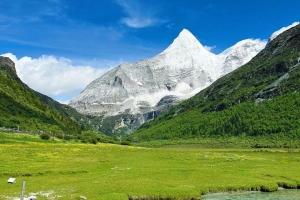
The best places to visit in Tibet are surprisingly diverse. Some travelers dream of exploring historic monasteries in Lhasa and standing before the magnificent Potala Palace. Others hope to witness the sunrise over Mount Everest at Everest Base Camp or complete the sacred Mount Kailash Kora. There are also visitors who prefer lower-altitude destinations such as Nyingchi and Shannan, where forests, valleys, and Tibetan cultural heritage create a gentler introduction to Tibet travel.
From iconic landmarks to remote adventure regions, Tibet offers experiences for every type of traveler. Whether you are visiting Tibet for the first time or planning a deeper journey into western Tibet, this guide introduces the most unforgettable destinations in Tibet for 2026 and 2027.
Best Places to Visit in Tibet for Classic Cultural Experiences
For first-time visitors, the classic route through Lhasa and Shigatse remains the best introduction to Tibet. This journey combines ancient monasteries, sacred pilgrimage sites, breathtaking Himalayan landscapes, and the famous Everest Base Camp.
These destinations showcase the spiritual and cultural heart of Tibet while also allowing travelers to gradually adapt to the altitude.
Lhasa: The Spiritual Center of Tibet
At an altitude of around 3,650 meters, Lhasa is one of the most accessible major cities in Tibet and the starting point for most Tibet tours. As the capital of Tibet, Lhasa combines deep religious traditions with vibrant local culture and centuries of history.
The city is home to some of Tibet’s most famous landmarks and remains the center of Tibetan Buddhism.
Potala Palace
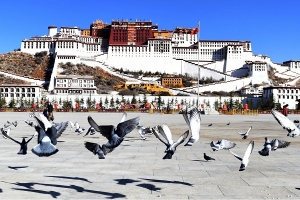
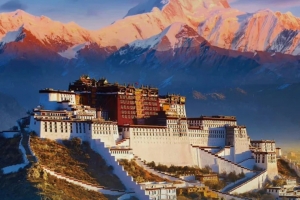
The Potala Palace is the most recognizable landmark in Tibet and one of the world’s most extraordinary architectural wonders. Rising dramatically above Lhasa from Red Hill, the palace once served as the winter residence of the Dalai Lama.
Inside the palace, travelers can explore ancient chapels, golden stupas, Buddhist murals, and countless historical artifacts. The towering white and red buildings symbolize Tibet’s spiritual heritage and political history.
For many visitors, seeing the Potala Palace for the first time is one of the most unforgettable moments of their Tibet journey.
Jokhang Temple
Located in the heart of old Lhasa, Jokhang Temple is considered the holiest temple in Tibetan Buddhism. Pilgrims from all across Tibet travel here to worship before the sacred statue of Buddha Shakyamuni.
Outside the temple, pilgrims perform full-body prostrations day and night, creating an atmosphere unlike anywhere else in the world. The spiritual energy of Jokhang Temple offers travelers a deeper understanding of Tibetan faith and devotion.
Barkhor Street
Surrounding Jokhang Temple, Barkhor Street is both a traditional marketplace and an important pilgrimage route. Walking through Barkhor allows visitors to experience daily Tibetan life while observing pilgrims completing their sacred circuit around the temple.
The narrow streets are lined with Tibetan tea houses, prayer wheel shops, handicraft stalls, incense vendors, and traditional Tibetan clothing stores. It is one of the best places in Tibet for cultural immersion and street photography.
Sera Monastery
Sera Monastery is famous for its lively monk debates, one of the most fascinating cultural experiences in Tibet. During the debate sessions, monks challenge each other using animated gestures and philosophical arguments rooted in Buddhist teachings.
Founded in the 15th century, Sera Monastery is also known for its beautiful assembly halls, peaceful courtyards, and mountain surroundings.
For visitors interested in Tibetan Buddhism, Sera Monastery provides an excellent opportunity to observe monastic life firsthand.
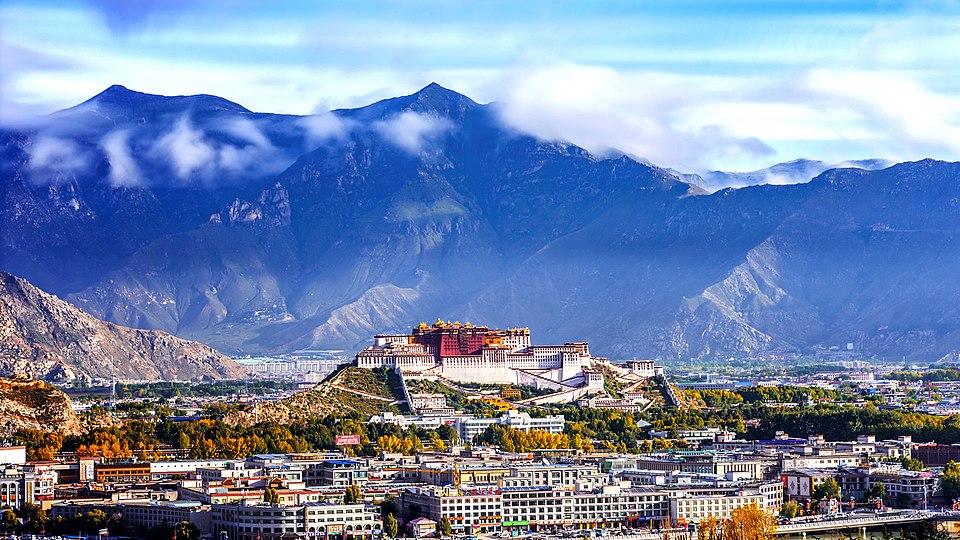
Potala Palace
Shigatse: Gateway to Mount Everest
Located west of Lhasa, Shigatse is Tibet’s second-largest city and an essential stop on the classic Tibet overland route. The journey from Lhasa to Shigatse passes through some of Tibet’s most spectacular scenery, including high mountain passes, turquoise lakes, glaciers, and traditional Tibetan villages.
Yamdrok Lake
Although technically located between Lhasa and Shigatse, Yamdrok Lake deserves special mention as one of Tibet’s most beautiful natural attractions.
Its brilliant turquoise water contrasts dramatically with the surrounding snow mountains and rolling hills. Many travelers consider Yamdrok Lake one of the highlights of their Tibet trip.
The lake is sacred in Tibetan Buddhism and is often visited together with Karola Glacier and Gyantse on the way to Shigatse.
Tashilhunpo Monastery
Shigatse’s most famous landmark is Tashilhunpo Monastery, the traditional seat of the Panchen Lama.
The monastery contains enormous golden Buddha statues, peaceful chapels, prayer halls, and ancient scriptures. Compared with the busy monasteries of Lhasa, Tashilhunpo offers a calmer and more relaxed atmosphere.
The monastery remains an important center of Tibetan Buddhism and is one of the largest monasteries in Tibet.
Everest Base Camp
No list of the best places to visit in Tibet would be complete without Everest Base Camp.
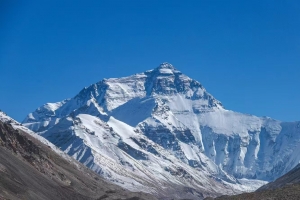
Located at approximately 5,200 meters above sea level, Tibet Everest Base Camp offers breathtaking views of the north face of Mount Everest. Unlike the Nepal side, travelers in Tibet can drive directly close to the base camp area, making it more accessible.
The route to Everest Base Camp includes several spectacular viewpoints where travelers can admire the Himalayas stretching endlessly across the horizon.
Watching sunrise or sunset over Mount Everest is often considered the ultimate Tibet travel experience.
At night, the clear Himalayan skies reveal incredible views of the Milky Way and countless stars, creating unforgettable memories for photographers and nature lovers alike.
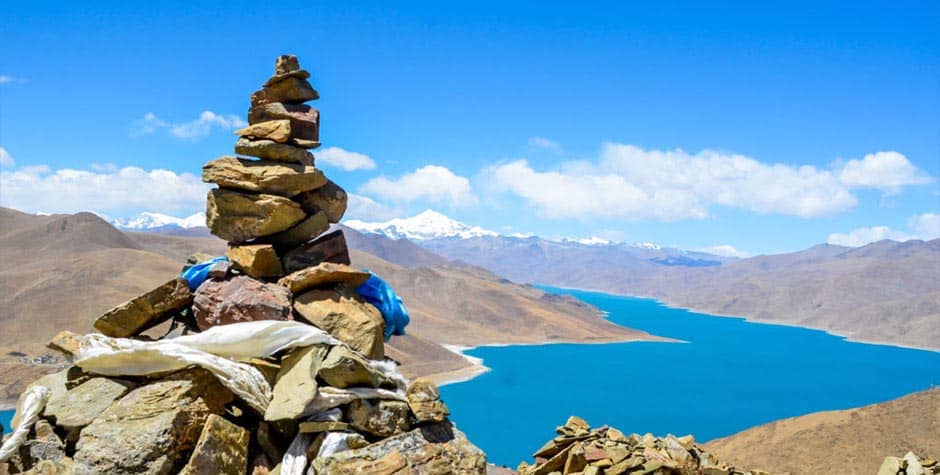
Yamdrok Lake
Best Adventure Places to Visit in Tibet
Beyond the classic tourist route, Tibet’s western and northern regions offer some of Asia’s most adventurous landscapes. These areas attract travelers looking for spiritual journeys, remote wilderness, and authentic nomadic culture.
Ngari: The Sacred Land of Western Tibet
Ngari is one of the most remote regions in Tibet and is often called the “Roof of the Roof of the World.” Vast open landscapes, snow mountains, and sacred lakes define this incredible part of western Tibet.
Because of its remote location and high altitude, Ngari attracts adventurous travelers seeking experiences beyond ordinary tourism.
Mount Kailash
Mount Kailash is one of the most sacred mountains on Earth. Revered by Tibetan Buddhists, Hindus, Jains, and followers of the Bon religion, the mountain has never been climbed due to its spiritual significance.
The most famous activity here is the Mount Kailash Kora, a sacred pilgrimage trek around the mountain.
The full Kora usually takes three days and passes through high mountain passes, remote valleys, monasteries, and dramatic landscapes. Completing the Kora is believed to bring spiritual merit and purification.
Even for non-religious travelers, the scenery and atmosphere around Mount Kailash are deeply moving.
Lake Manasarovar
Near Mount Kailash lies the sacred Lake Manasarovar, one of the highest freshwater lakes in the world.
Pilgrims travel here for ritual purification, while travelers come for the breathtaking scenery and peaceful environment. The lake’s crystal-clear waters often perfectly reflect Mount Kailash and the surrounding mountains.
Sunrise and sunset at Lake Manasarovar create some of the most spectacular photography opportunities in Tibet.
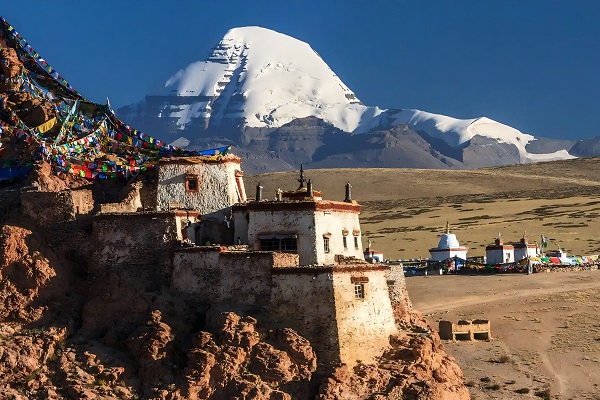
Kailash
Nagqu: The Land of Nomads and Grasslands
Northern Tibet’s Nagqu region is famous for its endless grasslands, nomadic culture, and wildlife.
Compared with the more visited areas of Tibet, Nagqu remains relatively untouched and offers travelers a glimpse into traditional Tibetan nomadic life.
Nagqu Grasslands
The vast grasslands of Nagqu stretch across the northern Tibetan Plateau and are home to yak herders who continue to live according to ancient traditions.
Travelers visiting Nagqu can see black yak-hair tents scattered across the plains, large herds of yaks and sheep, and wide-open landscapes that seem endless.
The region offers a completely different side of Tibet compared with the monasteries and cities of central Tibet.
Nagqu Horse Racing Festival
One of the best times to visit Nagqu is during the annual Horse Racing Festival.
This lively traditional event features horse races, yak performances, Tibetan music, dancing, wrestling, and local celebrations. Tibetan nomads travel from distant grasslands to participate in the festival wearing colorful traditional clothing.
For photographers and cultural travelers, the festival provides a rare opportunity to experience authentic Tibetan nomadic culture.
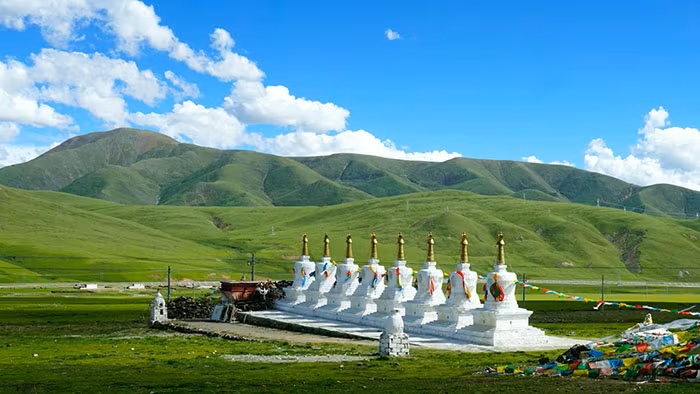
Nagqu Grasslands
Best Himalayan Places to Visit Between Tibet and Nepal
For travelers interested in combining Tibet and Nepal into one journey, Gyirong County offers one of the most scenic overland routes in the Himalayas.
Gyirong Valley
Unlike the dry landscapes found in much of Tibet, Gyirong Valley features forests, waterfalls, rivers, and green mountain scenery.
The lower altitude and milder climate make it a comfortable stop for travelers heading between Tibet and Nepal.
The valley is especially beautiful at night when the sky is filled with stars and the mountain environment becomes peaceful and quiet.
Gyirong Town
Gyirong Town serves as an important border gateway between China and Nepal.
Visitors can explore nearby monasteries, waterfalls, and local villages while experiencing the unique mix of Tibetan and Nepali cultures. Local restaurants and small markets provide opportunities to taste regional foods influenced by both countries.
For travelers continuing to Kathmandu, Gyirong offers a scenic and relaxing transition between Tibet and Nepal.
Special Lower-Altitude Places to Visit in Tibet
Although Tibet is famous for its high altitude, there are also destinations with lower elevations and greener landscapes. These areas are ideal for travelers concerned about altitude sickness or those seeking a different side of Tibet.
Nyingchi: The Switzerland of Tibet
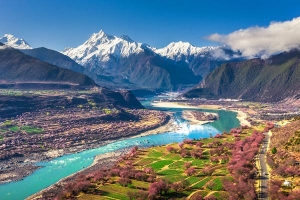
Located in eastern Tibet, Nyingchi is famous for its forests, valleys, glaciers, and relatively mild climate.
Because of its lush scenery and lower altitude, Nyingchi is often called the “Switzerland of Tibet.”
Namcha Barwa
Namcha Barwa is one of Tibet’s most beautiful mountains and is often hidden among clouds and mist.
The dramatic peak rises above deep valleys and dense forests, creating scenery very different from western Tibet’s barren plateau landscapes.
Nature photographers and trekking enthusiasts consider Namcha Barwa one of Tibet’s most stunning natural wonders.
Basumtso Lake
Basumtso Lake is one of Tibet’s most peaceful and beautiful lakes.
Surrounded by snow mountains and forests, the lake offers calm waters, scenic hiking routes, and quiet monasteries. The area is perfect for travelers seeking relaxation and natural beauty.
Lulang Forest
Lulang Forest is known for its pine forests, alpine meadows, and mountain views.
Compared with the dry plateau regions of western Tibet, Lulang feels almost alpine in character. The fresh air and higher oxygen levels also make it easier for travelers to adapt.
Laigu Glacier
Laigu Glacier is one of the most accessible glaciers in Tibet and is famous for its striking blue ice formations.
The glacier area combines dramatic mountain scenery with traditional Tibetan villages and untouched wilderness.
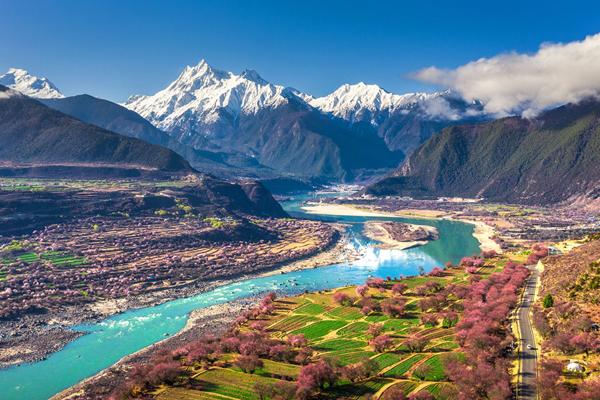
Nyingchi Peach Blossoms
Shannan: The Birthplace of Tibetan Civilization
Shannan, also known as Lhoka, holds immense historical importance in Tibetan culture. Many of Tibet’s earliest kings, monasteries, and cultural traditions originated here.
For travelers interested in Tibetan history and religion, Shannan is one of the most rewarding places to visit in Tibet.
Samye Monastery
Samye Monastery is the first Buddhist monastery ever built in Tibet and remains one of the country’s most important religious sites.
Its unique architecture combines Tibetan, Indian, and Chinese influences, reflecting the cultural exchange that shaped early Tibetan Buddhism.
The peaceful atmosphere and historical importance of Samye Monastery make it a highlight for cultural travelers.
Yongbulakang Palace
Perched on a hill above the Yarlung Valley, Yongbulakang Palace is believed to be Tibet’s first royal palace.
The palace offers panoramic views over the valley and provides insight into Tibet’s ancient royal history. Its location and historical significance make it one of the most fascinating cultural landmarks in Tibet.
Best Time to Visit Tibet
The best time to visit Tibet depends on the destinations and travel experiences you prefer.
Spring from April to May is ideal for visiting Nyingchi during the Peach Blossom season. Summer from June to August offers warmer weather and greener landscapes across Tibet. Autumn from September to October is widely considered the best overall season due to clear skies and stable weather.
For Mount Kailash and remote western Tibet, May to October is the recommended travel period because roads and weather conditions are more reliable.
Winter in Tibet is colder but also less crowded. Lhasa, Shigatse, and even Everest Base Camp remain accessible during winter and often offer clearer mountain views.
Frequently Asked Questions About the Best Places to Visit in Tibet
Which Place Is Best for First-Time Tibet Travelers?
The classic Lhasa to Everest Base Camp route is the best choice for first-time visitors. It combines Tibet’s most famous cultural sites with spectacular Himalayan scenery.
Which Places in Tibet Have Lower Altitudes?
Nyingchi is one of the best lower-altitude destinations in Tibet, with elevations around 3,000 meters. It is ideal for travelers concerned about altitude adaptation.
How Many Days Are Needed for Tibet Travel?
Most classic Tibet tours require 6 to 8 days. Trips to Mount Kailash and western Tibet usually require at least 15 days due to the long travel distances.
What Is the Best Spiritual Destination in Tibet?
Mount Kailash is considered Tibet’s most important spiritual destination and attracts pilgrims from across Asia.
Can Tibet Be Visited Year-Round?
Yes. Lhasa, Shigatse, Nyingchi, and Everest Base Camp can all be visited throughout the year. However, remote areas such as Mount Kailash and Nagqu are best visited from May to October.
Discover the Best Places to Visit in Tibet
Tibet is not simply a destination for sightseeing — it is a place where ancient spirituality, dramatic Himalayan landscapes, and centuries-old traditions come together in a way few places on Earth can offer.
From the golden rooftops of Jokhang Temple in Lhasa to the remote sacred trails around Mount Kailash, every region of Tibet reveals a completely different side of the plateau. Some travelers come for the monasteries and Buddhist culture, others for Everest Base Camp and the Himalayan scenery, while many are drawn by Tibet’s untouched wilderness and unique nomadic traditions.
For international travelers planning a Tibet journey in 2026 or 2027, choosing the right destinations is the key to creating an unforgettable experience. Whether you prefer classic cultural routes, spiritual adventures, scenic overland journeys, or lower-altitude nature escapes, Tibet offers extraordinary places for every travel style.
As a professional Tibet travel agency with years of experience organizing Tibet tours for international visitors, Journey2Tibet provides customized Tibet travel services, small group tours, Tibet train journeys, Everest Base Camp trips, and Mount Kailash adventures designed to help travelers experience the real beauty of Tibet safely and comfortably.